

Before You Go
Get Your FREE Home Cleaning Guide
Simple action items on how to make your home safer- today!

Wildfires don’t just impact what’s outside the home. They can fundamentally change the environment inside it.
When smoke fills the air and communities are forced to evacuate, the focus is understandably on immediate safety. But long after the flames are extinguished, the environmental impact often lingers. Fine particulate matter, soot, chemical residues, and smoke contaminants can remain inside the home for days, weeks, or even months if they are not properly addressed.
To everyone currently navigating the uncertainty, stress, or loss that comes with wildfire events, our hearts are with you. And to the firefighters, emergency crews, volunteers, and first responders working tirelessly to protect lives and communities, thank you.
At HomeCleanse, we believe creating a safer indoor environment starts with understanding what you’re dealing with, how exposure occurs, and what steps can help reduce risk during and after wildfire events.
The growing impact of wildfires
How wildfire smoke affects indoor environments and health
Ways to reduce exposure
Steps to improve indoor air quality
What to do after the fires, with or without visible fire damage
Why proper cleanup matters for long-term environmental health

Wildfires are becoming more frequent, more intense, and more unpredictable across many parts of the United States. Extended drought conditions, rising temperatures, shifting weather patterns, and increasingly dry vegetation have all contributed to larger and longer-lasting fire seasons.
Regions like California continue to experience devastating wildfire events year after year, but smoke exposure is no longer limited to areas directly surrounding the flames. Wildfire smoke can travel hundreds or even thousands of miles, impacting air quality far beyond evacuation zones.
The challenge is that wildfire smoke doesn’t simply disappear once it enters a building. Modern homes are designed for energy efficiency, meaning they retain air more effectively. While that can help with heating and cooling, it also means contaminants that enter the structure often remain trapped until they are actively removed.
That creates an important reality to understand:
A home can become a reservoir for wildfire-related particles even if it never experienced direct fire damage.
Wildfire smoke is far more than a temporary haze or unpleasant smell. It contains a complex mixture of gases, chemicals, and microscopic particles that can significantly impact health and indoor air quality.
Carbon monoxide
One of the biggest concerns is particle size.
The smaller the particle, the deeper it can travel into the body. PM2.5 particles are particularly concerning because they can bypass many of the body’s natural defenses, travel deep into the lungs, and in some cases enter the bloodstream.
For individuals with asthma, COPD, immune dysfunction, cardiovascular conditions, or environmental sensitivities, exposure can be even more significant.
Research published in Environmental Health Perspectives found that even relatively small increases in wildfire-related PM2.5 exposure were associated with increased emergency room visits for respiratory concerns.
And importantly, exposure isn’t always obvious.
Particles can settle into dust reservoirs, porous materials, furniture, fabrics, HVAC systems, and building assemblies, continuing to impact the environment long after outdoor air quality improves.

One of the easiest ways to monitor outdoor air conditions during wildfire events is through the Air Quality Index (AQI).
AQI measures the concentration of pollutants in the air and categorizes exposure risk on a scale from 0 to 500.
0–50: Good
51–100: Moderate
101–150: Unhealthy for sensitive groups
151–200: Unhealthy
201–300: Very unhealthy
301–500: Hazardous
Wildfire smoke can cause AQI levels to rise rapidly, sometimes within hours.
Once AQI levels move into unhealthy ranges, reducing exposure becomes extremely important, particularly for children, older adults, pregnant women, and those with respiratory or immune-related conditions.
When wildfire smoke is present, the primary goal is minimizing exposure as much as possible.
If outdoor air quality becomes unhealthy, remaining indoors with windows and doors closed can help reduce smoke exposure.
Pets should also remain indoors whenever possible.
If you must spend time outdoors, a properly fitted N95 respirator can help reduce inhalation of fine particulate matter.
Exercise and strenuous activity increase respiration rate, meaning more particles are inhaled into the lungs.
Anyone with asthma or respiratory concerns should ensure medications and inhalers are readily available.
Depending on the conditions, long sleeves and pants may help reduce irritation from airborne ash or debris.

Indoor air quality becomes critically important during wildfire events because people often spend significantly more time inside to avoid outdoor exposure.
Doors and windows
HVAC systems
Gaps and penetrations
Ventilation systems
Building leakage pathways
Once particles enter the environment, they can remain suspended in the air or settle into dust and materials throughout the home.
This is why improving indoor air quality during wildfire events is not simply about comfort. It is about reducing the overall environmental burden inside the structure.
Closing windows and doors helps reduce the amount of smoke entering the home.
Air purifiers can help capture airborne particles before they settle throughout the environment.
True HEPA filtration
High particle removal efficiency
Carbon filtration for gases and VOCs
Proper sizing for the room or home
HEPA filtration standards require capturing 99.97% of particles at 0.3 microns.
Systems capable of filtering even smaller particles may provide additional support during wildfire events.
Your HVAC system can either help reduce particulate exposure or contribute to recirculating contaminants throughout the home.
Higher-efficiency filtration, such as MERV 13 or higher (if compatible with the system), can help improve particle capture.
Filters should be checked and replaced regularly during wildfire events because they often load more quickly under heavy smoke conditions.
If your HVAC system allows it, use the recirculation setting to reduce the amount of smoky outdoor air being pulled into the home.
If the home has a dedicated fresh-air intake, that system may also need to be temporarily adjusted depending on conditions.
Candles, incense, aerosols, smoking, and other combustion-related activities can further increase indoor particle levels.
When wildfire smoke is present, the goal is to reduce indoor particle generation as much as possible.
Indoor air quality monitors can help identify whether smoke particles are infiltrating the home despite mitigation efforts.
Monitoring PM2.5 levels can provide valuable insight into how well filtration and containment strategies are working.
Weatherstripping, caulking, and sealing obvious leakage areas may help reduce smoke intrusion.
For highly sensitive individuals, creating a designated clean room with enhanced filtration can help reduce exposure.
Have minimal windows
Remain closed off from the rest of the home
Contain the best available air purifier
Be used for sleeping or extended occupancy

One of the biggest misconceptions about wildfire smoke is that once the smell fades, the problem is gone.
Carpets
Upholstery
Bedding
Curtains
HVAC systems
Dust reservoirs
Porous materials
Wall cavities
Building assemblies
This is why post-fire cleaning matters, even when there is no direct structural fire damage.
The goal becomes reducing the residual particulate load inside the environment.
If your home was exposed to smoke but did not experience direct fire damage, thorough cleaning becomes extremely important.
Standard vacuums may redistribute fine particles back into the air.
HEPA-filtered closed-system vacuums are designed to capture smaller particles more effectively.
Carpets
Rugs
Upholstery
Mattresses
Fabric surfaces
Dry dusting can re-aerosolize particles.
Countertops
Shelving
Walls
Door frames
Window sills
Furniture
HVAC registers
Less-visible surfaces where dust accumulates
Smoke particles readily settle into porous materials.
Bedding
Curtains
Removable upholstery covers
Clothing
Blankets
Linens
HVAC filters exposed to wildfire smoke may contain significant particulate accumulation and should typically be replaced after major smoke events.
Smoke particles can settle within ductwork and HVAC components.
Professional inspection and cleaning may be warranted depending on exposure severity.
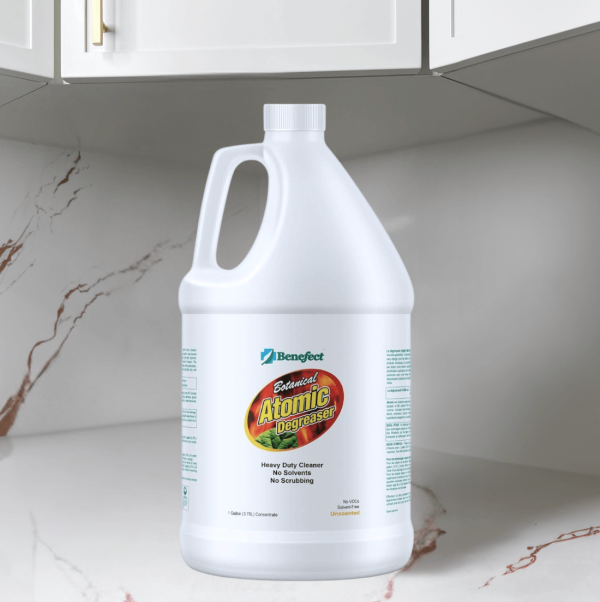
Benefect Atomic Fire and Smoke Degreaser is a heavy-duty Cleaner & Degreaser Concentrate based on...
-
$41.00 Shop Now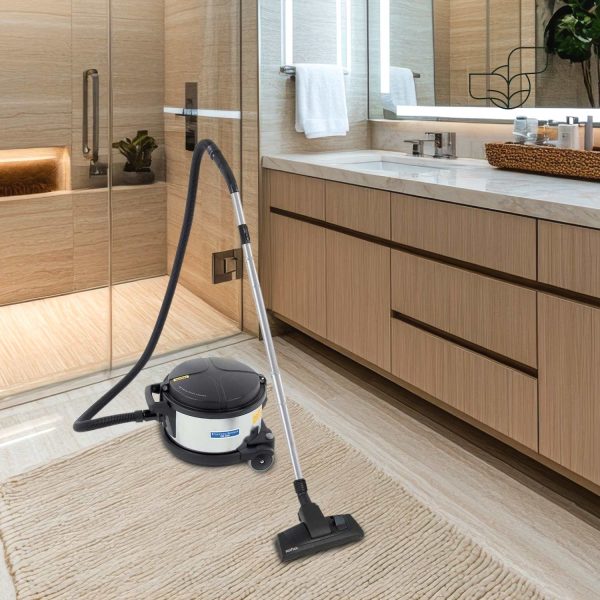
The Euroclean GD930HSP is a 4 Gallon Dry HEPA Vacuum that meets the EPA's standards...
-
$849.00 Shop Now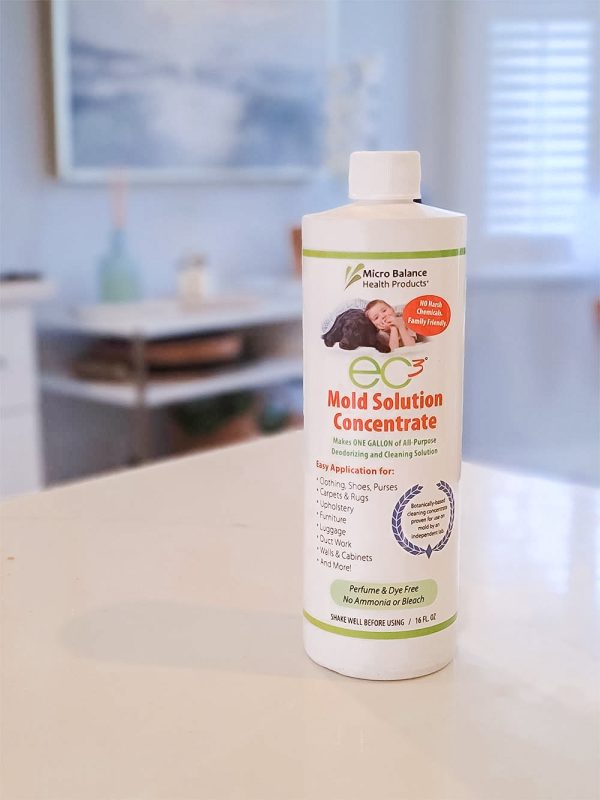
Micro Balance EC3 Mold Solution Concentrate is a natural botanical that removes mold spores, bacteria,...
-
$33.00 Shop Now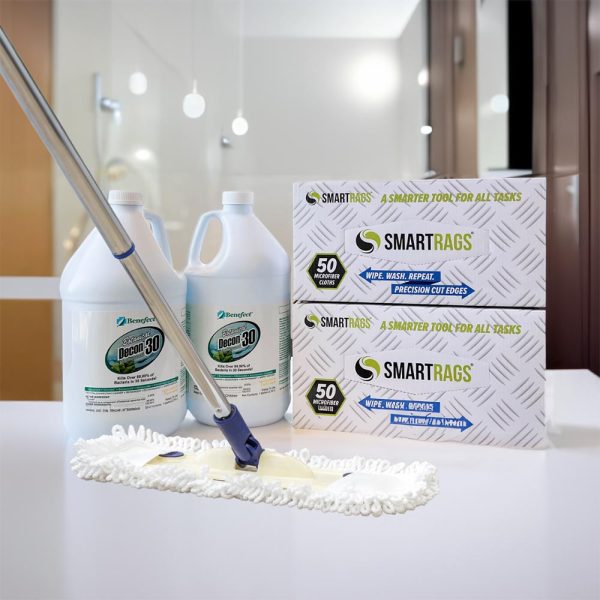
Take your cleaning to the next level buying all the tools we use to keep...
-
Price range: $299.00 through $549.00 Shop Now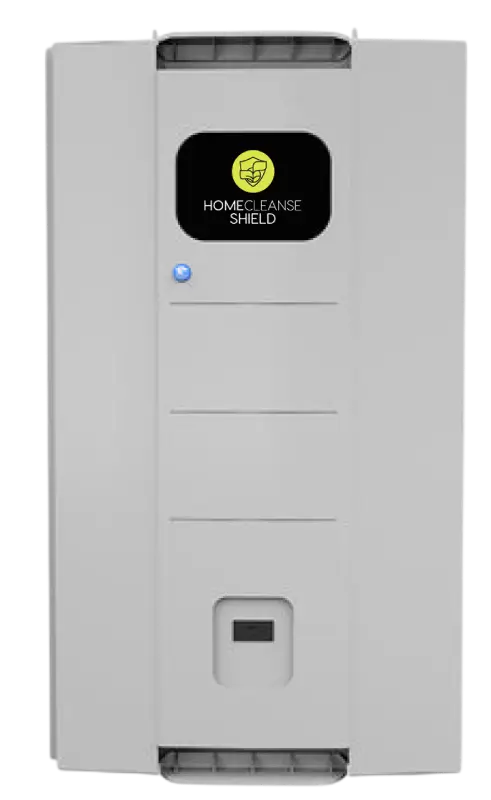
Turn your HVAC into the healthiest feature of your home.
-
$2,495.00 Shop Now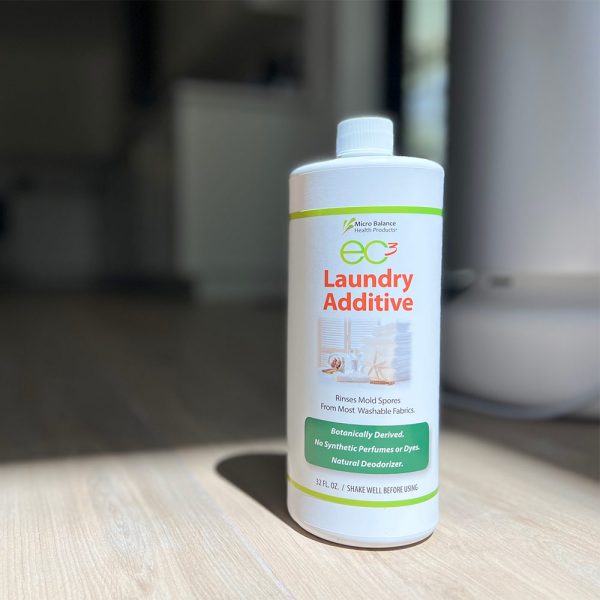
Add EC3 to every rinse cycle to rinse away mold, bacteria and musty odors from...
-
$23.00 Shop NowIf the structure experienced direct fire or smoke damage, the cleanup process becomes significantly more complex.
Safety should always come first
Personal protective equipment is critical
Structural damage must be evaluated
Water-damaged materials should be addressed quickly to reduce mold risk
Smoke residues and soot require specialized cleaning methods
Removal of damaged materials
Deep structural cleaning
Odor remediation
HVAC decontamination
Reconstruction
Proper evaluation is extremely important because smoke contamination can extend beyond visibly damaged areas.
One of the challenges with smoke contamination is that it is often invisible after the obvious signs are gone.
That’s why post-cleaning verification matters.
A space may appear clean visually while still containing elevated particulate levels, settled contamination, or lingering environmental reservoirs.
Assessment
Containment
HEPA filtration
Source removal
Cleaning
Deodorization
HVAC evaluation
Post-cleaning verification
This aligns closely with the direction the industry is moving through the anticipated IICRC S740 fire and smoke restoration standards, which are expected to emphasize systematic assessment, contaminant removal, safety, and verification.
At the time of writing, the IICRC S740 Standard for Professional Restoration of Fire and Smoke Damaged Personal Items and Structures is still developing.
While final published language may evolve, the anticipated framework follows many of the same principles seen in other restoration standards:
Health and safety
Thorough assessment
Containment
Removal of contaminants
HVAC cleaning
Odor remediation
Verification
Documentation
Restoration
Until finalized standards are fully adopted, restoration professionals often rely on existing industry best practices and experience-based protocols to address smoke and fire contamination safely and effectively.

Wildfires are devastating events, and the environmental impact often extends far beyond the flames themselves.
But understanding how smoke behaves inside buildings, how exposure occurs, and what steps can help reduce risk allows people to make more informed decisions for their homes and families.
At HomeCleanse, we believe healthier indoor environments start with understanding the full picture, not just what’s visible on the surface.
If you’re navigating smoke exposure, concerns about indoor air quality after a wildfire, or questions about environmental cleanup and restoration, our team is here to help guide you toward the next right step.

A member of our team is here to help! Click on “Get Started ➤” below to book a free consultation with a member of the HOMECLEANSE team. We have a few quick questions that will help us put together a roadmap to solve or prevent all of your mold problems.
Two minutes of your time could lead to better health for you and your family.
Add EC3 to every rinse cycle to rinse away mold, bacteria and musty odors from...
-
$23.00 Shop NowTurn your HVAC into the healthiest feature of your home.
-
$2,495.00 Shop NowTake your cleaning to the next level buying all the tools we use to keep...
-
Price range: $299.00 through $549.00 Shop Now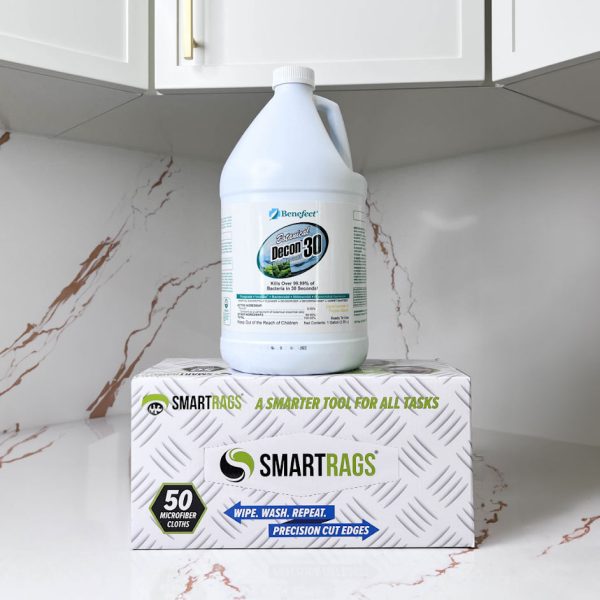
Remove harmful pollutants that accumulate in the dust of your home. (Options available for renters...
-
Price range: $99.00 through $349.00 Shop NowMicro Balance EC3 Mold Solution Concentrate is a natural botanical that removes mold spores, bacteria,...
-
$33.00 Shop Now
Optimizing Air Quality starts with finding what’s not optimal. *Detects 36 different species of mold...
-
$299.00 Shop NowThe Euroclean GD930HSP is a 4 Gallon Dry HEPA Vacuum that meets the EPA's standards...
-
$849.00 Shop Now