
Mold Resources
Direct Answer:
It’s possible, and far more common than most people realize, to still feel unwell after mold remediation if the underlying issue wasn’t fully resolved or if contaminants remain in the home. In some cases, mold growth may not have been completely removed, moisture problems may still be present, or particles such as dust and microbial fragments may still be circulating in the indoor environment.
Remediation is an important step, but it needs to be thorough, properly executed, and followed by cleaning and verification to ensure the environment has truly been restored.
In many homes, ongoing symptoms after remediation are not caused by a single issue, but rather a combination of incomplete removal, lingering contamination, or continued exposure within the space.
Incomplete or improperly executed remediation is one of the most common reasons homeowners continue experiencing symptoms after the work is finished.
Let’s take a closer look at why this can happen.

Why This Can Feel So Frustrating
If you’ve already gone through remediation and still don’t feel like yourself, you’re not alone, and you’re not imagining it.
For many homeowners, remediation is supposed to be the turning point. You identify the issue, hire a company, complete the work… and expect to feel better.
So when symptoms continue, it can feel confusing and discouraging.
Some people begin to wonder:
“Did the remediation actually work?”
“Is something still in my home?”
“Why do I feel the same… or even worse?”
These are valid questions. And in many cases, there is a reason why symptoms persist.
What Might Still Be Happening in the Home
Even after remediation, there are several factors that can continue to affect the indoor environment.
1. The Source Wasn’t Fully Addressed
Mold growth is driven by moisture. If the original moisture issue, such as a leak, humidity problem, or ventilation issue, wasn’t fully resolved, mold can return.
In some cases, moisture problems may still exist behind walls, under flooring, or in areas that weren’t part of the original remediation scope.
2. Contamination Wasn’t Fully Removed
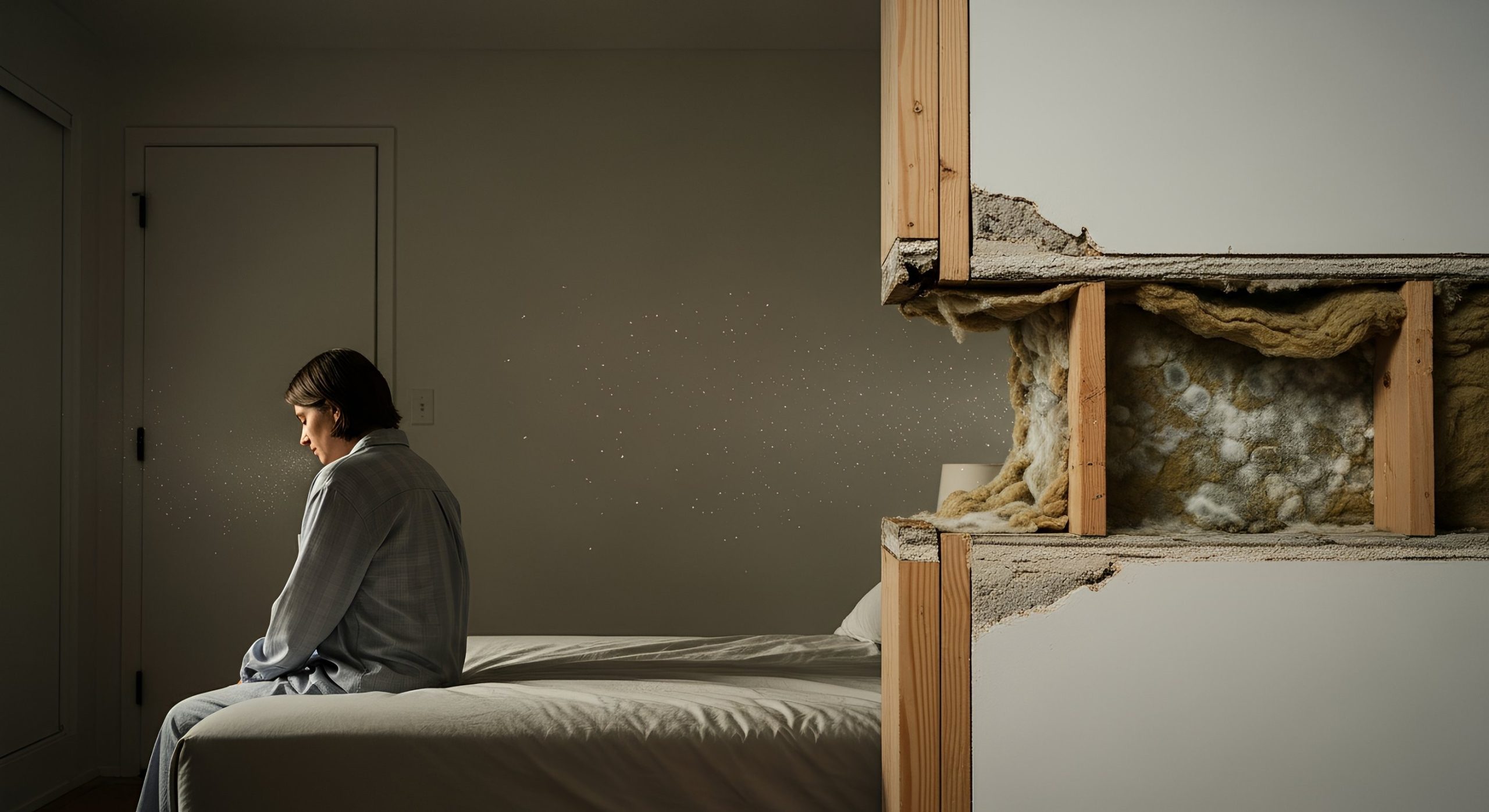
When mold grows, it doesn’t stay contained to one visible area.
As it develops, it releases microscopic particles that can spread beyond the original source. These particles can settle into dust, attach to surfaces, and move into other areas of the home.
If remediation focuses only on removing visible mold without thoroughly addressing surrounding contamination, those particles can remain behind, allowing continued exposure.
Even after the source is removed, the environment may still contain residual contamination that continues to circulate.
This is one of the reasons why post-remediation cleaning plays such an important role in restoring the home.
3. Surface-Level Treatments Left Behind Deeper Contamination
In some cases, remediation may rely heavily on surface treatments such as sprays or fogging, without fully removing contaminated materials or addressing what lies beneath.
While these approaches may improve appearance or temporarily reduce visible signs, they do not always eliminate the full scope of the issue. In some cases, this can give the appearance that the problem has been addressed, while the underlying source and contamination remain.
Mold can grow into porous materials like wood, drywall, and insulation. If those materials are not properly addressed, both non-viable (dead) mold particles and potentially still-active growth can remain within the structure.
Over time, these particles can continue to become airborne and contribute to ongoing exposure within the home.
This is why a comprehensive approach, one that includes proper removal, detailed cleaning, and verification, is so important when addressing mold at its source.
4. Cross-Contamination Occurred
During remediation, disturbing mold can release particles into the air.
If proper containment and negative pressure are not used, those particles can spread into other areas of the home.
This can result in contamination spreading to areas that were not originally affected, making the issue feel like it was never fully resolved.
5. Post-Remediation Cleaning Was Incomplete
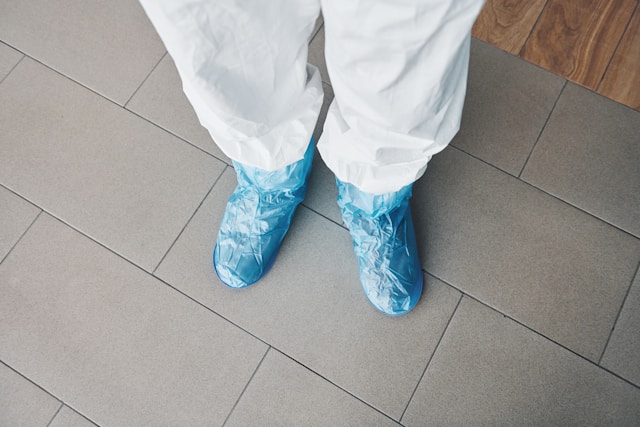
After remediation, the home often needs a detailed cleaning process to remove settled dust and particles. Plus, multiple follow-up cleaning processes to further eliminate contaminated dust.
Without this step, contaminants can remain on surfaces and continue to become airborne through normal daily activity.
Because we breathe roughly 20,000 times per day, ongoing exposure to these particles can still impact how someone feels over time.
6. The Environment Wasn’t Verified
One of the most overlooked steps in the process is confirming that remediation was successful.
Without post-remediation testing or inspection, it can be difficult to know whether the environment has truly improved.
Verification helps ensure that:
moisture issues have been resolved
contamination has been removed
the environment is safe to return to
Why Remediation Doesn’t Always Mean the Problem Is Fully Resolved
The word “remediation” often gives the impression that the issue has been completely fixed.
But in reality, the outcome depends heavily on how the work was performed.
Not all remediation approaches follow the same level of detail, containment, or verification. Some may focus primarily on visible areas without fully addressing hidden growth, contamination spread, or the environmental conditions that allowed the issue to develop.
Because of this, two homes can both go through “remediation” and have very different outcomes.
Understanding the difference between partial cleanup and thorough remediation can be an important step in determining what to do next if you continue experiencing symptoms.

Why it’s So Important To Be Thorough
Over the years, one pattern has become difficult to ignore.
We are often contacted by individuals and families who have already gone through remediation, sometimes more than once, and are still not feeling better or are noticing signs that something isn’t right in the home.
In many of these situations, the issue isn’t that remediation was attempted. It’s that the process wasn’t comprehensive enough to fully resolve the environment.
Thorough remediation can feel more involved, more detailed, and at times more intensive than expected. But that level of detail exists for a reason.
When the goal is to create a space where someone can truly feel safe and begin to heal, every step matters. Addressing only part of the problem can leave behind contamination, conditions for regrowth, or ongoing exposure that continues to impact the indoor environment.
This is also why the process should come with both accountability and confidence.
At HomeCleanse, our approach is designed to go beyond surface-level cleanup, with a focus on fully addressing the environment and verifying the results. It’s also why our work is backed by a guarantee, offering an added layer of assurance that the investment made into the home is protected.
Because when it comes to your environment, peace of mind isn’t a luxury. It’s part of the outcome.
Why Symptoms Can Continue Even After the Work Is Done
Even when remediation is performed, the body doesn’t always respond immediately.
For some individuals, symptoms may take time to improve depending on:
how long exposure occurred
the level of contamination present
individual sensitivity
whether exposure is still ongoing
It’s also important to recognize that symptoms don’t always resolve immediately once exposure is reduced.
For some people, symptoms may linger for a period of time as the body adjusts to a cleaner environment.
For others, continued symptoms may be a sign that exposure is still happening somewhere in the home.
Looking at both the environment and symptom patterns together can help provide a clearer picture of what’s happening.

Signs the Environment May Still Need Attention
If you’re still experiencing symptoms after remediation, it may be worth taking a closer look at the home if you notice:
symptoms that improve when leaving the home
symptoms that return when you come back
persistent musty odors
ongoing moisture issues
dust buildup throughout the home, even with frequent cleaning
areas that were not included in the original remediation scope
These signals don’t automatically mean remediation failed, but they can suggest that something may still be affecting the indoor environment.
What If You’re a Renter and It’s Out of Your Control?
For renters, navigating this situation can feel even more challenging.
Unlike homeowners, renters often don’t have full control over the decisions being made about the property, including how remediation is handled, who is hired, or whether underlying issues are fully addressed.
This can lead to situations where:
remediation is delayed or incomplete
surface-level fixes are applied instead of comprehensive solutions
moisture issues are not fully resolved
exposure continues without a clear path forward
If you’re a renter and still not feeling well after remediation, it’s important to know that your experience is valid, and you’re not alone in navigating this.
Some helpful steps to consider:
Document ongoing concerns, including symptoms and environmental patterns
Communicate clearly with property management about unresolved issues
Pay attention to patterns, such as feeling better when away from the home
Seek independent insight when possible to better understand your environment
While you may not be able to control every aspect of the process, gaining clarity about what may still be happening can help you make more informed decisions about your next steps.
For additional guidance specifically designed for renters, including how to navigate these situations and what options may be available, visit our Renters Resource Section.

What You Can Do Next
If you’re not feeling better after remediation, the next step is gaining clarity about what’s happening in the home.
Some helpful starting points include:
Re-evaluate moisture sources
Make sure leaks, humidity, and ventilation issues have been fully resolved.
Assess the cleanliness of the environment
Dust and particles may still be present even after remediation.
Consider environmental testing
Tools like The Dust Test can help provide insight into what may still be in the home.
Review the scope of the original remediation
Was the entire affected area addressed, or only part of it?
Seek a second opinion if needed
A thorough inspection can help identify overlooked issues or remaining contamination.
Quick Environmental Checklist
If you’re trying to determine whether your home may still be contributing to symptoms, consider checking:
✔ Humidity levels (ideal range: about 35–50%)
✔ Any remaining or new moisture issues
✔ Areas that were not remediated
✔ Dust buildup on surfaces and vents
✔ Airflow and HVAC system condition
Even small overlooked factors can impact how the indoor environment feels after remediation.

Final Thoughts
Feeling unwell after mold remediation can be incredibly frustrating, especially when you’ve already taken steps and made the investment to address the problem.
In many cases, continued symptoms are a sign that the environment may still need further attention, whether that’s resolving moisture, addressing remaining contamination, or verifying that the remediation was successful.
With the right information and a thorough approach, it becomes possible to move from uncertainty to clarity and take meaningful steps toward restoring both the home and overall well-being.
Interested in Learning More?
If you’re trying to better understand what may be happening inside your home, our website is filled with resources designed to help you make informed decisions and provide you with peace of mind
Still Have Questions?
A member of our team is here to help! Click on “Get Started ➤” below to book a consultation with a member of the HOMECLEANSE team. We have a few quick questions that will help us put together a roadmap to solve or prevent all of your mold problems.
Two minutes of your time could lead to better health for you and your family.