
Mold Resources
Direct Answer:
Proper mold remediation should include identifying and resolving the source of moisture, containing affected areas, physically removing mold contamination, thoroughly cleaning the surrounding environment, and verifying that the space has been returned to a stable, healthy condition.
Because mold can spread beyond what is visible, effective remediation is not just about treating one area. It involves addressing the entire environment and confirming that the conditions which allowed mold to grow have been fully corrected.

Why This Matters More Than Most People Realize
Most people don’t learn about mold remediation until they’re already dealing with a problem.
At that point, decisions often need to be made quickly, and it’s not always clear what the process should actually include. On the surface, different approaches can look similar, even though the depth and effectiveness behind them may be very different.
Understanding what proper mold remediation involves gives you a way to evaluate whether the work being done is truly solving the problem or simply addressing part of it.
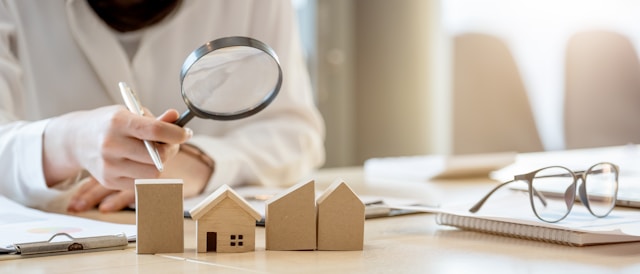
Step 1: A Thorough Assessment of the Home
Every successful remediation begins with understanding the full scope of the problem. That means that every Treatment Plan relies on a comprehensive inspection report from a third-party hygienist.
This goes beyond identifying visible mold. A proper assessment evaluates the building as a system, looking for the conditions that allowed mold to develop in the first place and how far contamination may have spread.
This can include moisture mapping, identifying hidden leaks or humidity issues, evaluating airflow patterns, and considering the HVAC system's involvement.
A thorough inspection is not a simple air sample or visual walkthrough. This process should take hours, span the entire home, and use a variety of testing methods. At the end, you should be presented with a detailed analysis of the home and guidance on the next steps.
Without a thorough understanding of the environment, it’s impossible to create a remediation plan that actually solves the problem rather than just offering a band-aid or partial solution.
Step 2: Fixing the Moisture Source
Mold cannot grow without moisture.
Whether the issue comes from a leak, condensation, elevated humidity, or past water damage, that source must be fully resolved before remediation begins.
If moisture is not properly addressed, mold has the potential to return, even after cleanup. This is why long-term success always depends on correcting the underlying conditions, not just removing the visible growth.
Step 3: Containment and Engineering Controls
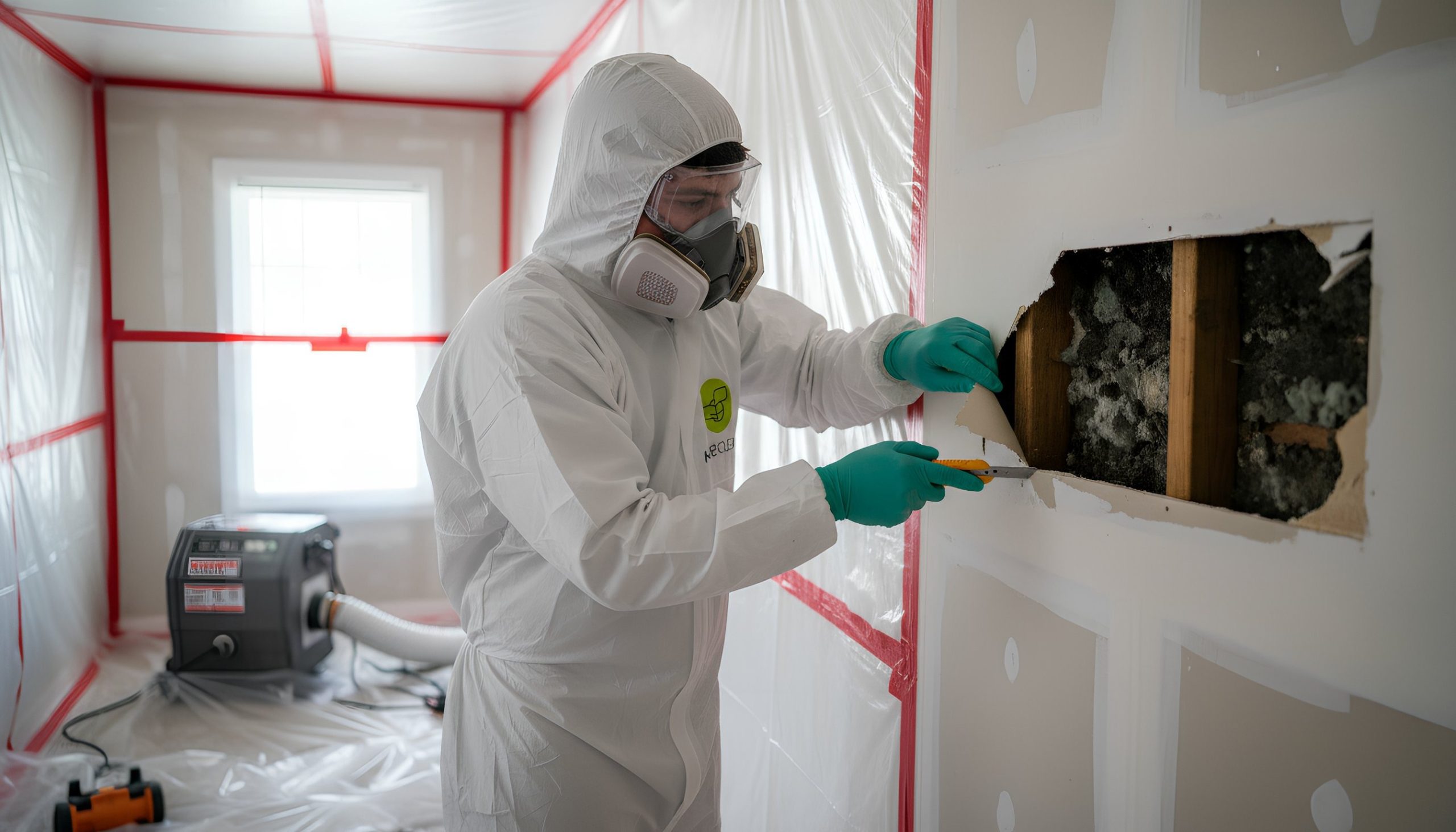
Before removal begins, the affected area should be properly contained to prevent particles from spreading throughout the home.
This typically involves isolating the workspace and using engineering controls such as negative air pressure and HEPA-filtered air scrubbers. These systems help capture airborne particles and maintain controlled airflow during the remediation process.
Without proper containment and air control, contamination can spread into previously unaffected areas of the home.
Step 4: Physical Removal of Mold Contamination
A core principle of proper mold remediation is physical removal.
Mold is not something that should simply be sprayed or treated and left in place. Contaminated materials often need to be removed, and surfaces may require mechanical cleaning to eliminate embedded growth.
This process is often performed in stages. Surfaces may be HEPA vacuumed, then mechanically cleaned, then wiped, and then re-evaluated and cleaned again as needed. The goal is to remove contamination progressively until the material is truly clean.
This level of detail is what separates surface-level cleanup from true remediation.
Step 5: Understanding Surface Treatments
In some cases, treatments may be applied after cleaning, but it’s important to understand the difference between types of products.
For example, breathable encapsulants protect materials while still allowing moisture to pass through. This is an important part of the Mold Method process that we use at HomeCleanse.
In contrast, non-permeable sealants can trap moisture within materials, which may lead to future issues if conditions change.
Using the appropriate approach depends on the material and the overall goal of maintaining a stable environment. The team you choose should understand how building dynamics and materials interact to ensure the environment remains stable after remediation.
Step 6: Whole-Home Environmental Cleaning
Once the source has been removed, attention shifts to the rest of the home.
As mold grows, it releases microscopic particles that spread through the environment and settle into dust. This means contamination is often not limited to the original area.
Proper mold remediation includes detailed cleaning of the entire environment to reduce this particle load.
This involves HEPA vacuuming, wiping surfaces, addressing dust throughout the home, and often repeating these steps multiple times. Because particles can resettle, cleaning is typically done in cycles to progressively improve the environment.
This step is essential for helping the home feel truly clean and stable after remediation.

Step 7: HVAC and Airflow Considerations
The HVAC system plays a major role in how air and particles move throughout a home.
If contamination has entered the system, it can continue to circulate even after remediation is complete. A proper process includes evaluating the HVAC system, addressing any buildup within it, and optimizing filtration and airflow moving forward.
Step 8: Post-Remediation Verification
The final step in proper mold remediation is verification.
Post-remediation verification (PRV) confirms that the work achieved its intended result and that the environment has been restored to a normal condition. This is typically performed by an independent professional to ensure objectivity.
Verification provides clarity and confidence that the problem has been fully addressed.
Step 9: Documentation and Transparency
A thorough remediation process should also include clear documentation of the work performed.
This helps you understand what was done, what areas were addressed, and how the environment was restored. Transparency throughout the process builds trust and ensures accountability.

What Proper Mold Remediation Ultimately Achieves
When all of these steps are performed thoroughly, the goal is not just to complete a job. It’s to restore the home to a stable indoor environment so that it’s safe for those living in it.
That means moisture is controlled, contamination has been removed, particle levels have been reduced, and the space no longer supports mold growth.
The result is a home that feels consistent, controlled, and supportive over time.
Quick Checklist for Proper Mold Remediation
✔ Full assessment of the home and moisture conditions
✔ Moisture source resolved
✔ Containment and air control in place
✔ Physical removal of contamination
✔ Appropriate surface treatment if needed
✔ Whole-home detailed cleaning (multiple cycles)
✔ HVAC system addressed
✔ Independent verification completed
✔ Clear documentation provided

Final Thoughts
Proper mold remediation is not just about removing what you can see. It’s about addressing the entire environment and ensuring it remains stable moving forward.
When each step is performed thoroughly and intentionally, it creates a result that goes beyond appearance. It creates a home that functions the way it should.
And when you understand what proper mold remediation includes, you’re no longer left guessing. You’re equipped to make informed decisions and advocate for a process that truly solves the problem.
For a closer look at how we perform remediation, check out this article on the HomeCleanse Mold Method.
Interested in Learning More?
If you’re trying to better understand what may be happening inside your home, our website is filled with resources designed to help you make informed decisions and provide you with peace of mind
Still Have Questions?
A member of our team is here to help! Click on “Get Started ➤” below to book a consultation with a member of the HOMECLEANSE team. We have a few quick questions that will help us put together a roadmap to solve or prevent all of your mold problems.
Two minutes of your time could lead to better health for you and your family.