You’ve been to the appointments. You’ve done the testing. You’ve spent hours researching symptoms, treatments, and what might be happening inside your body.
And now someone is telling you to look at your house.
Seriously?
When you’re navigating Chronic Inflammatory Response Syndrome (CIRS), the last thing you probably want is another problem to solve. Especially one that could involve your home, the place that’s supposed to be your refuge from everything else.
But if your healthcare provider suspects that environmental exposure may be contributing to your health concerns, understanding what’s happening inside your home can be an important part of the process.
You can be doing everything your healthcare provider recommends while still having an unresolved moisture or mold problem in your living environment that may be impacting the body’s ability to heal.
At HomeCleanse, we’ve worked with clients navigating CIRS who needed help understanding and addressing potential environmental exposures in their homes as a part of their healthcare plan.
Some already knew they had mold. Others had undergone remediation but weren’t confident the problem was fully resolved. And some had no idea whether their homes had experienced water damage at all.
Different situations. Similar questions.
Could something in my home be contributing to ongoing exposure? And if so, what am I supposed to do about it?

What Is the Connection Between CIRS and Mold?
When most people think about mold exposure, they think about allergies, coughing, congestion, or asthma.
But the conversation around mold, indoor air quality, and human health extends beyond the respiratory system.
Chronic Inflammatory Response Syndrome, or CIRS, is a term some healthcare practitioners use to describe a proposed chronic inflammatory condition associated with certain environmental exposures, particularly those involving water-damaged buildings.
People navigating CIRS may report symptoms affecting multiple areas of their health, including persistent fatigue, difficulty concentrating, headaches, sleep disturbances, and other concerns that aren’t immediately associated with their indoor environment.
The diagnosis and its proposed mechanisms remain subjects of medical debate. However, researchers have also investigated broader health concerns associated with damp indoor environments.
For example, research examining indoor mold, dampness, and fatigue has explored potential associations between these environmental conditions and symptoms beyond the respiratory system. These findings are less established than the evidence linking damp buildings to asthma and other respiratory conditions, but this area of research continues to grow as more attention is paid to potential wellness impacts.
The World Health Organization has also examined immune and inflammatory responses associated with damp indoor environments.
And the broader indoor air quality conversation matters here, too.
Indoor environments can contain biological particles, particulate matter, volatile organic compounds, and other pollutants. Depending on the substances involved, exposure levels, and individual susceptibility, these pollutants may affect different systems throughout the body.
Indoor environmental quality can influence more than respiratory health, even though the evidence for specific health outcomes varies.
For someone navigating CIRS, this raises a practical question:
Could an unresolved moisture problem, microbial growth, or another indoor environmental concern be contributing to ongoing exposure and the resulting effects?
That’s where investigating the home becomes valuable.
Why Your Home Matters When You’re Navigating CIRS
Think about how much time you spend at home.
You sleep there. Eat there. Relax there. Maybe you work there, too.
If there’s an unresolved moisture problem somewhere in that building, the conditions supporting microbial growth may persist until the underlying issue is corrected.
And we’re not necessarily talking about a flooded basement or a giant patch of mold growing across the ceiling.
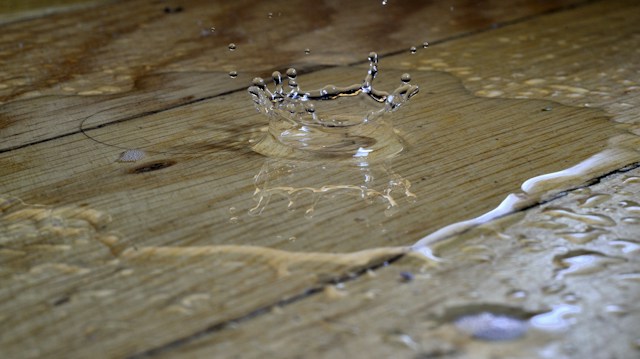
Sometimes it’s a dishwasher that’s been slowly leaking into the cabinetry.
A roof leak that only appears during heavy storms.
Condensation collecting around an HVAC system.
Or water getting in around a window every time it rains.
These problems can go unnoticed for months or even years, particularly when moisture becomes trapped behind building materials.
Even the World Health Organization recommends preventing and correcting persistent dampness and microbial growth in buildings because of the associated health risks. For people navigating CIRS, investigating these conditions can also help address environmental concerns raised by their healthcare providers.
What We’ve Learned Working With Clients Navigating CIRS
At HomeCleanse, we’ve worked with people navigating CIRS and other complex health concerns who have spent months, sometimes years, trying to understand what might be contributing to their symptoms.
And one thing we’ve learned is that when someone’s health is already struggling, the condition of their home matters that much more.
When the body is already dealing with significant health challenges, additional environmental exposures can add to the burden it’s trying to manage. For someone navigating chronic inflammation or immune-related concerns, an unresolved mold problem may represent another potential source of stress on an already taxed system.
That’s why we take the success of remediation so seriously.
We’ve encountered homes
- where contamination extended beyond the originally identified area,
- where previous remediation efforts left questions unanswered,
- and where hidden moisture problems required further investigation.

Our approach isn’t simply about removing what you can see. We work alongside independent environmental inspectors to understand the extent of contamination, then develop a comprehensive remediation plan that addresses the identified problem, including microscopic particles that can remain in the environment after visible growth is removed.
And we don’t stop when the home looks clean. Independent post-remediation verification helps determine whether the work meets the established criteria.
Because for someone who’s already working so hard to improve their health, the last thing they need is to return to a home where the environmental problem hasn’t been properly addressed.
We can’t promise that remediation will resolve someone’s health concerns. But we can take responsibility for the quality of our work and the environmental conditions we’re hired to address.
When your body is already fighting an uphill battle, you deserve a home that gives you a safe place to land.
Can Mold Be Hiding in Your Home?
One of the most common questions people have is surprisingly simple:
If I don’t see mold, how would I know it’s there?
Unfortunately, you might not. Mold growth can occur behind walls, underneath flooring, inside cabinets, around plumbing, and near HVAC components.
Sometimes the first clue isn’t visible growth at all.
- It’s a musty smell that comes and goes.
- A stain on the ceiling that someone painted over.
- A cabinet that smells strange when you open it.
- Or a leak that was supposedly repaired years ago.
Signs Your Home May Need a Closer Look
Common warning signs include:
- Previous flooding, plumbing leaks, or roof damage
- Musty or earthy odors
- Water stains or discoloration
- Bubbling paint or peeling wallpaper
- Warped flooring or damaged building materials
- Persistent condensation or elevated humidity
- Visible microbial growth
- Previous mold remediation without independent verification
None of these signs automatically means you have widespread contamination.
But they can provide useful clues about where a qualified professional should investigate.
And if you’re already working through CIRS with your healthcare provider, understanding your home’s moisture history may be particularly relevant to the environmental questions you’re trying to answer.
How Do You Test Your Home for Mold When You Have CIRS?
Search for mold testing online, and you’ll find everything from inexpensive petri dishes to professional inspections, air sampling, and dust analysis.
But… which one should you choose?
It depends on what you’re trying to learn.
At-Home Mold Testing
At-home testing can provide information about mold particles present in your indoor environment if you are looking to determine if there’s an issue in your home that requires further investigation or are working with a medical provider and need to determine if exposure is still occurring and where.
For example, dust-based testing can identify and quantify selected mold species in a collected household dust sample. Because dust accumulates particles over time, this approach may provide different information than an air sample collected during a brief period.
At HomeCleanse, we offer The Dust Test, which analyzes household dust for 36 mold species using quantitative polymerase chain reaction (qPCR) technology.
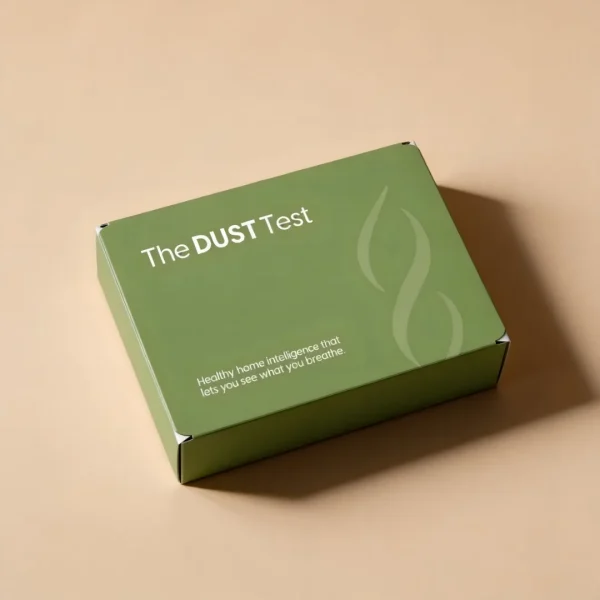
The results identify and quantify the targeted mold species detected in your sample and provide a Mold Code to help you better understand your home’s mold profile.
This information can help you determine whether further environmental investigation may be warranted.
However, dust testing cannot determine exactly where mold is growing, whether growth is currently active, or whether an exposure caused someone’s symptoms.
It’s a tool for gathering information about the home.
Professional Mold Inspections
If you already know your home has experienced water damage, notice suspicious odors, or have test results that raise questions, a professional inspection may be the more useful next step.
A qualified inspector can investigate moisture intrusion, examine suspected growth, evaluate building conditions, and recommend targeted testing when appropriate.
This distinction matters because finding mold particles and finding the source of a mold problem are not the same thing.
A dust sample might indicate that certain molds are present.
But it won’t tell you that a pipe has been leaking behind your bathroom vanity.
That requires investigating the building. And even when mold is visible, a comprehensive inspection can help determine whether the problem extends beyond what you can see.

What About Other Mold Tests Like a Petri Dish?
You’ve probably seen these at the hardware store or online. They’re inexpensive, easy to use, and seem like a convenient way to check your home for mold.
But here’s the problem: Just because mold grows in a petri dish doesn’t mean you’ve learned much about the mold in your home.
These tests work by collecting airborne spores that happen to settle onto a dish containing nutrients that encourage mold growth.
There are a few major limitations.
First, the dish only collects an uncontrolled sample of what’s settling out of the air. It doesn’t tell you how much mold is circulating throughout your home or whether those particles are coming from an indoor contamination source.
Second, only certain viable molds will grow under the conditions provided. Dead spores, microscopic fragments, and molds that don’t grow well on the medium can be missed entirely.
And finally, the amount of mold that grows in the dish isn’t a reliable measure of how much contamination is present in your home. Some species grow faster than others, and even a home without an indoor mold problem can produce a dish full of colonies.
So while a petri dish might confirm that mold spores are present, it can’t reliably tell you whether your home has an unusual mold burden or where a problem might be located.
If you’re concerned about potential mold exposure, you need information that helps you understand your indoor environment, not simply confirmation that some mold exists.

Concerned About Mold Exposure but Not Sure Where to Start?
Whether you’re navigating CIRS, reviewing test results, or wondering about previous water damage, our team can help you understand your options.
Talk with a HomeCleanse Wellness Guide about what you’ve noticed, what you’ve already done, and what your next step could look like.
What Happens if Mold Is Found in Your Home?
First, finding mold doesn’t automatically mean your house is unlivable. And it doesn’t necessarily mean you need to throw away everything you own or move out permanently.
What happens next depends on the source, location, extent of contamination, and affected materials.
A small area of growth associated with a recently discovered plumbing leak is very different from widespread contamination caused by years of unresolved water intrusion.
That’s why understanding the problem comes before deciding how to fix it.
Addressing More Than Visible Mold
Proper remediation involves more than spraying a cleaning product on visible growth.
Depending on the situation, it may require correcting the moisture source, removing contaminated materials, establishing containment, HEPA vacuuming, and detailed cleaning.
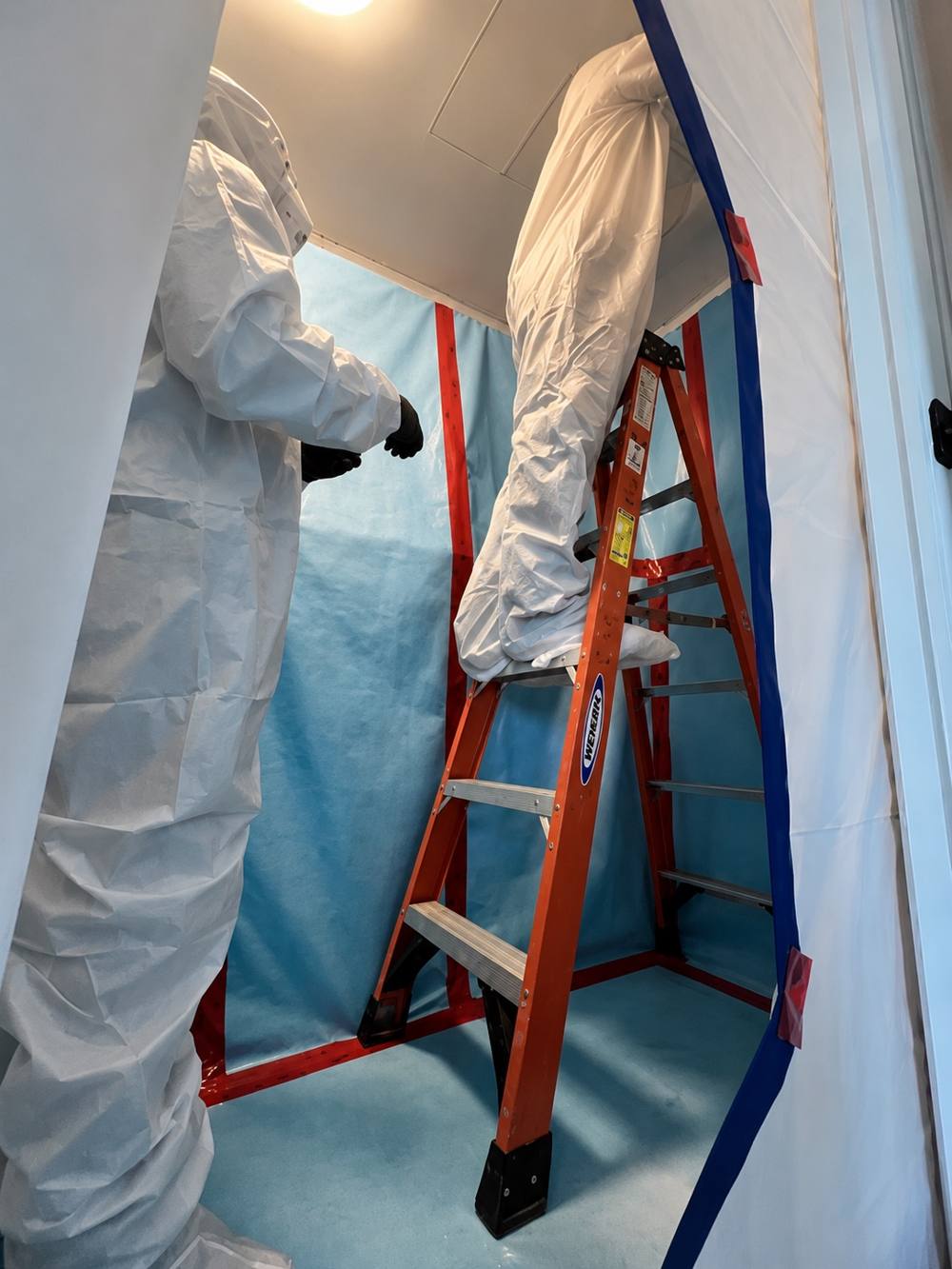
At HomeCleanse, our remediation approach, The Mold Method, is designed to address identified contamination and the particles that can remain in the environment, including after visible growth is gone.
Even when mold is no longer viable, spores and fragments may remain in contaminated dust or on surfaces, allowing exposure to continue.
That’s why comprehensive remediation considers both affected materials and the surrounding environment.

Why Post-Remediation Verification Matters
Remediation isn’t necessarily complete just because the visible mold is gone.
Independent post-remediation verification, or PRV, helps evaluate whether the identified contamination has been properly addressed and whether the work meets established remediation criteria.
At HomeCleanse, we believe verification should be part of the process, not an afterthought.
That’s why we stand behind our remediation work with a commitment to passing independent PRV. If our work doesn’t meet the agreed verification criteria, we address any concerns at no additional remediation cost.
And importantly, we don’t grade our own work.
An independent environmental professional evaluates the results.
Because the goal isn’t simply to make your home look clean. It’s to address the identified contamination and verify that the remediation met the established criteria.
Does Your Home Matter if You’re Already in Treatment?
Here’s a question we hear from people navigating CIRS:
If I’m doing everything my doctor recommends, but I’m still living in a home with mold, can I actually get better?
The answer depends on your individual health situation and the conditions inside your home. But there’s an important reason to consider both your treatment plan and your environment.
Think about trying to empty a bathtub while the faucet is still running.
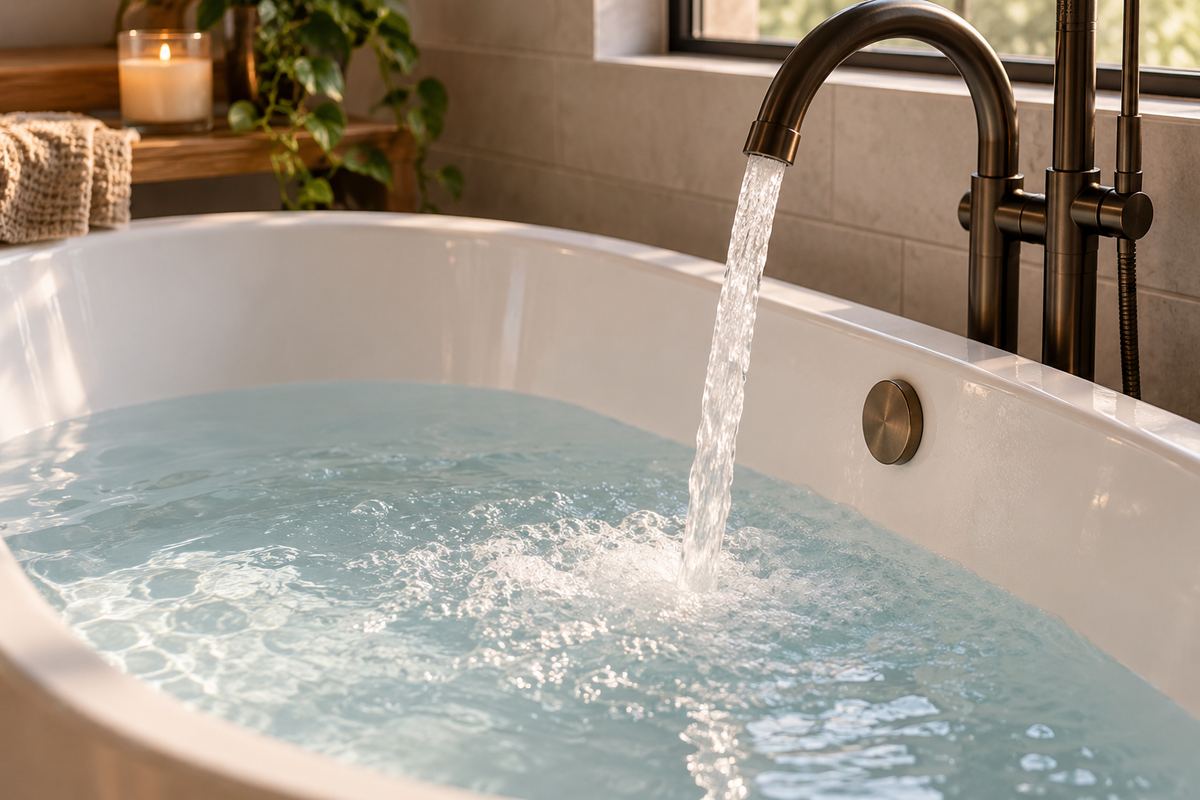
You can keep pulling water out, and you might even make progress. But if water keeps flowing in, you’re fighting an ongoing source of the problem.
It’s an analogy used in environmental health discussions to explain why addressing an exposure source can matter alongside medical care. And it’s something that resonates with our experience at HomeCleanse.
We’ve worked with clients navigating CIRS who are doing everything they can to support their health while also trying to understand what’s happening in their homes.
Medical treatments may help manage symptoms or support improvements. But when an unresolved environmental problem continues contributing to exposure, it may complicate that progress…
You can work on reducing the effects of an exposure, but it’s also important to investigate whether the source of that exposure is still present.
That doesn’t mean everyone with CIRS has a mold problem at home, or that remediation alone will resolve their symptoms. It means that if your healthcare provider suspects your environment is playing a role, addressing identified moisture and mold problems deserves a place in the conversation.
Your healthcare team can help you navigate your health. Our job is to help you understand and address what’s happening in your home.
How CLEAR Connects the Pieces
At HomeCleanse, we’ve developed a process called CLEAR to help people navigate the environmental side of their concerns.
It follows five stages:
- CCorrelateCompare what’s found in your home’s dust with testing from your healthcare provider, to see whether the two line up and whether the home needs a closer look.
- LLocateWork with an independent environmental inspector to identify moisture sources, contamination, and the extent of the problem.
- EEliminateAddress the identified contamination through appropriate remediation, including our comprehensive Mold Method process.
- AAttestHave an independent third party perform post-remediation verification to evaluate whether the work meets the established criteria.
- RRemainSupport a healthier indoor environment through ongoing prevention, filtration, monitoring, and maintenance. Solutions such as Guardian and Shield can be part of this stage.
Not every home needs to begin with testing. If you already know there’s a mold problem, a professional inspection may be the appropriate starting point.
The goal is to move from uncertainty to a clearer understanding of your home, address identified problems, and establish a plan for maintaining the environment afterward.
What if You’ve Already Had Mold Remediation?
If you’ve already gone through mold remediation and you’re still questioning whether your home is contributing to your health concerns, we know how discouraging that can feel.
You’ve likely invested significant time, money, and energy into addressing the problem. You may have had to leave your home during the process, replace belongings, or make difficult decisions about what to do next.
And after all of that, you deserve to feel confident about the environment you’re returning to.
But if you’re still unsure whether the contamination was fully addressed, that uncertainty can be especially difficult when you’re also navigating CIRS.
If this is the case for you, we’d like to take a moment to say that having questions about previous remediation doesn’t automatically mean the work was unsuccessful or that you have to start over.
What matters now is understanding what was done, whether the original moisture problem was corrected, and whether the results were independently verified.
A few questions can help you determine your next steps:
- 1Was the original moisture source identified and corrected?
- 2Was the full extent of contamination investigated?
- 3Were appropriate containment and cleaning procedures used?
- 4Was independent post-remediation verification performed?
- 5Has there been any additional water damage since the work was completed?
If you don’t have all those answers, that’s okay. You can start by gathering any inspection reports, remediation documentation, or post-remediation testing results you received. An independent environmental inspector can help determine whether further investigation is warranted. And if additional remediation is needed, our team at HomeCleanse can help you understand what that process should involve.
You’ve already been through a lot to get to this point. The next step should be about finding answers and moving forward, not assuming everything you’ve done was for nothing.

Where Should You Start if You’re Concerned About Your Home?
If you’re navigating CIRS and wondering whether mold exposure could be part of the picture, you don’t necessarily need to start with an in-depth inspection.
The Dust Test is an accessible way to begin understanding your home’s mold profile.
With a simple household dust sample, you can gather information about mold species present in your environment and use those findings to help determine whether further investigation makes sense.
If you already have visible mold, significant water damage, or clear signs of an ongoing moisture problem, a professional inspection may be the better starting point.
But if you’re wondering whether mold could be an issue in your home, The Dust Test can help you start finding answers.
If you’re looking for inspector recommendations, give us a call, and we’ll share professionals we trust and have worked with in your state.
Frequently Asked Questions About CIRS and Mold
Can You Have CIRS Without Visible Mold in Your Home?
Yes. A CIRS diagnosis doesn’t establish that a home has mold contamination, and the absence of visible mold doesn’t rule out hidden moisture or microbial growth.
Mold can develop behind walls, beneath flooring, and in other concealed areas. An environmental investigation can help determine whether a problem exists.
Can Mold Exposure Affect More Than Your Lungs?
Yes, although research is still continuing.
Damp and moldy environments are strongly associated with respiratory and allergic conditions. Research has also examined fatigue, immune responses, and other health concerns.
Indoor air quality more broadly can affect multiple body systems, which adds another complex layer to this situation.
Do You Have to Move Out of Your Home if You Have CIRS?
Not necessarily. A CIRS diagnosis alone doesn’t determine whether a home needs to be vacated.
Decisions about temporary relocation depend on building conditions, the extent of contamination, planned remediation work, individual health considerations, and professional guidance.
Finding mold doesn’t automatically mean permanent relocation is necessary.

Your Home Deserves Answers, Too
When you’re navigating CIRS, it can feel like every answer leads to another question.
And when your home becomes part of that conversation, knowing where to turn can make all the difference.
Whether you’re starting with questions, reviewing test results, or trying to understand what comes after previous remediation, our team can help you determine what to do next.
This article is for educational purposes and does not provide medical advice or diagnose, treat, or prevent any disease. Consult a qualified healthcare professional regarding health concerns and treatment decisions.
Have Questions?
A member of our team is here to help! Click on “Get Started ➤” below to book a consultation with a member of the HOMECLEANSE team. We have a few quick questions that will help us put together a roadmap to solve or prevent all of your mold problems.
Two minutes of your time could lead to better health for you and your family.
Must-Have Indoor Air Quality Tools
-

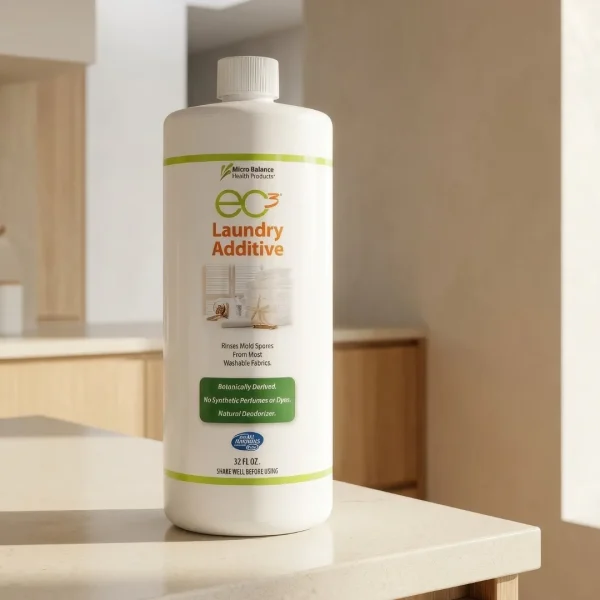
EC3 Laundry Additive
$23.00Add EC3 to every rinse cycle to rinse away mold, bacteria and musty odors from...
-
$23.00 Shop Now -
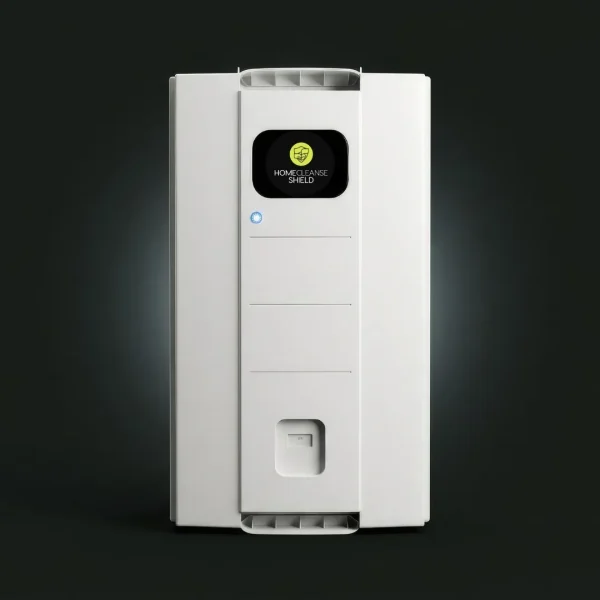
HomeCleanse Shield
$2,495.00Turn your HVAC into the healthiest feature of your home.
-
$2,495.00 Shop Now -
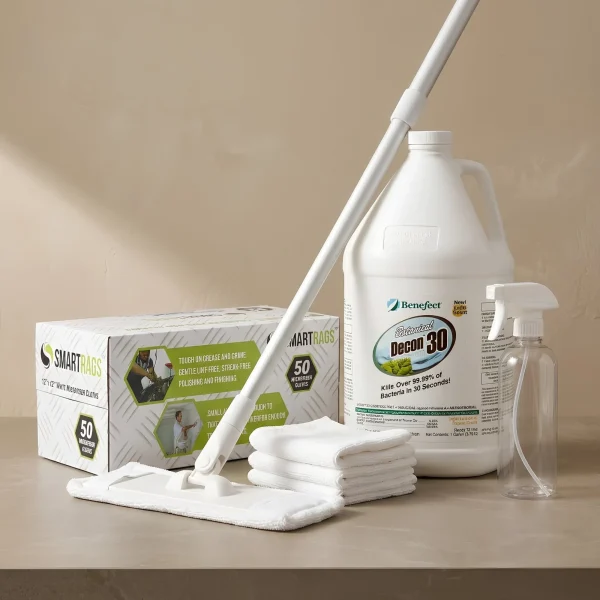
HomeCleanse Cleaning
Price range: $299.00 through $549.00Take your cleaning to the next level buying all the tools we use to keep...
-
Price range: $299.00 through $549.00 Shop Now -
Mold & Bacteria Contents Cleaning
Price range: $99.00 through $349.00Remove harmful pollutants that accumulate in the dust of your home. (Options available for renters...
-
Price range: $99.00 through $349.00 Shop Now -
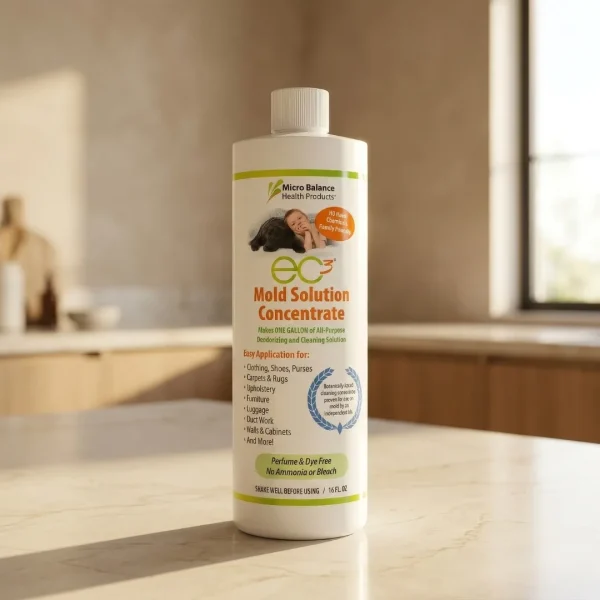
EC3 Mold Solution Concentrate
$33.00Micro Balance EC3 Mold Solution Concentrate is a natural botanical that removes mold spores, bacteria,...
-
$33.00 Shop Now -
The Dust Test
$299.00Optimizing Air Quality starts with finding what’s not optimal. *Detects 36 different species of mold...
-
$299.00 Shop Now -
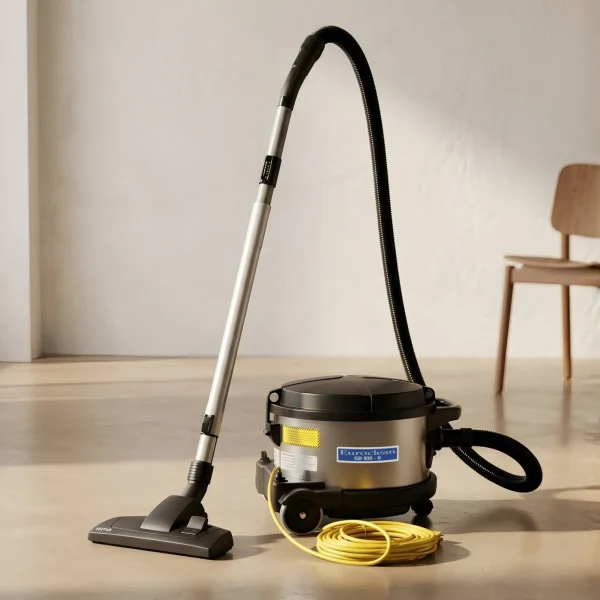
EuroClean 4 Gallon Hepa Vacuum
$849.00The Euroclean GD930HSP is a 4 Gallon Dry HEPA Vacuum that meets the EPA's standards...
-
$849.00 Shop Now