
Before You Go
Get Your FREE Home Cleaning Guide
Simple action items on how to make your home safer- today!

If you’re wondering whether mold could be an issue in your home, testing seems like the obvious first step.
Then you start looking at your options.
Petri dishes. Swabs. Air samples. Dust tests. Professional inspections. Kits that cost $10 and investigations that cost significantly more.
Suddenly, “test my home for mold” isn’t nearly as simple as it sounded.
So, what’s the best way to test your home for mold?
If you don’t have obvious signs of a problem, at-home dust testing can be a useful place to start. If you’re dealing with visible growth, persistent musty odors, or known water damage, a professional inspection may make more sense.
The right choice depends on what you’re trying to learn, what you already know about your home, and what you plan to do with the results.
Let’s figure out where you should start.

Before choosing a test, think about the question you actually need answered.
An at-home screening test can be a useful place to start.
Mold spores naturally exist in our environment, so detecting some mold particles indoors isn’t necessarily a cause for concern. What matters is whether your home has elevated levels, unusual concentrations of certain mold species, or other indicators that warrant a closer look.
And just because you can’t see mold doesn’t mean it isn’t there. Mold can grow behind walls, beneath flooring, or in other areas that aren’t immediately visible.
Testing your home’s dust can help identify potential concerns and give you a better understanding of whether further investigation may be needed.
At-home dust testing
Maybe there’s a musty smell you can’t track down. Maybe your home has a history of leaks or water damage. Maybe a healthcare provider suggested taking a closer look at your environment.
If you don’t have an obvious source or visible mold growth, at-home testing may help you gather more information before deciding whether to bring in a professional.
However, persistent odors or a history of significant water damage can be reasons to investigate the building directly, even if nothing is visible.
At-home testing or professional investigation, depending on the circumstances
You may not need another test to tell you there’s something worth investigating.
If you’re seeing suspected growth, dealing with recurring moisture, or noticing persistent musty odors, the priority is understanding what’s happening in the building.
Where is the moisture coming from? How far does the problem extend? Could there be hidden growth?
Those are questions that require investigation, not just another sample.
Professional mold inspection
This is a different question entirely.
After remediation, the goal is to verify that the affected areas have been properly addressed before the project is considered complete.
That process is called post-remediation verification, or PRV.
Ideally, verification should be performed by an independent professional who wasn’t responsible for the remediation itself.
Independent post-remediation verification
You probably don’t need to keep testing just for the sake of collecting more data.
The next question is what those results mean in the context of your home.
Were certain species detected at concerning levels? Is there a history of water damage? Are there other signs pointing toward a possible problem?
If you’re stuck in a cycle of testing, worrying, and testing again, it may be time to have a qualified professional evaluate the information you already have.
Review your existing results and determine whether further investigation is warranted.
If terms like spores, mycotoxins, moisture intrusion, remediation, and PRV already have your browser looking like a research project, you don’t have to learn everything at once.
Our Mold 101 resource explains what mold is, why it grows indoors, how it can spread, common signs of a problem, and what addressing mold actually involves.
These two options are often treated as interchangeable.
They aren’t.
An at-home mold test collects information about a sample. A professional inspection investigates the building.
At-home testing can help identify mold species or other characteristics of the material collected. Depending on the method, the results may provide useful information about whether further investigation makes sense.
A professional inspection looks beyond the sample.
An inspector evaluates the building for moisture intrusion, water damage, potential areas of microbial growth, and conditions that could be contributing to the problem. That may involve moisture meters, thermal imaging, visual investigation, and targeted sampling when appropriate.
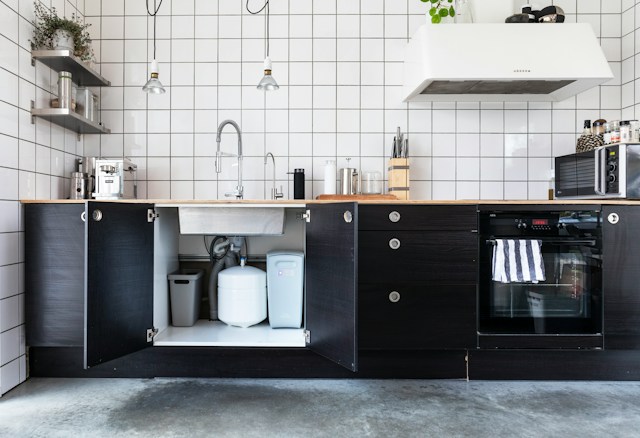
For example, imagine you had a small leak beneath your kitchen sink six months ago. You dried everything out, repaired the pipe, and haven’t noticed anything unusual since.
An at-home screening test might be a reasonable way to gather more information.
Now imagine that same cabinet has a persistent musty smell, the wood is visibly damaged, and the area keeps getting damp.
You already have reasons to investigate.
Testing helps you gather clues. An inspection helps you understand what’s happening in the building.
Neither replaces the other. They answer different questions.
Walk into the world of DIY mold testing, and you’ll find everything from inexpensive petri dishes to laboratory-based molecular testing.
They don’t all provide the same information, and some are considerably more useful than others when you’re trying to understand the condition of your home.
Here’s what you should know before choosing one.
You’ve probably seen these kits online or at a hardware store.
You leave a petri dish open in a room, wait a few days, and see whether something grows.
And something very well may grow.
The problem is that mold spores naturally exist in indoor and outdoor air. A petri dish captures some of the particles that happen to settle onto its surface, and only organisms capable of growing under those conditions will develop into visible colonies.
That means the results don’t necessarily represent everything present in your home.
More importantly, seeing mold grow in a dish doesn’t tell you whether you have an indoor mold problem, where it might be located, or what you should do about it.
For homeowners trying to determine whether further investigation is warranted, we don’t recommend petri dishes as a primary screening method.
Swabs and tape samples collect material from a specific surface.
They can be useful when you’re trying to identify suspected growth on a wall, piece of furniture, or other material.
But their biggest limitation is straightforward:
You have to know where to sample.
A swab taken from your bathroom wall tells you about the material collected from that wall. It doesn’t tell you what’s happening beneath the flooring downstairs, behind your kitchen cabinets, or inside an HVAC system.
Surface testing has its place, particularly when identifying material found during an investigation.
It’s much less useful for answering the broader question:
Could there be a mold issue somewhere in my home?
Air sampling measures particles that are airborne during a particular sampling period.
That can be valuable information, especially when samples are collected and interpreted as part of a professional investigation.
But here’s the challenge.
The air in your home is constantly changing.
Your HVAC system turns on. Someone walks through a room. A window opens. You vacuum. Outdoor conditions change.
All of those things can influence what happens to be airborne when a sample is collected.
An isolated air sample provides a snapshot of a particular moment.
That doesn’t make air testing useless. It means the results need context.
Air sampling can be valuable for specific investigative purposes, but we generally prefer accumulated dust testing when the goal is broader initial screening.
Dust offers a different way to look at your indoor environment.
As particles circulate through a home, some settle onto surfaces and become part of the dust that accumulates over time.
Rather than relying entirely on what’s airborne during a brief sampling period, dust testing analyzes material that has collected over a longer period.
That can make it particularly useful for initial screening.
Of course, dust testing has its own variables. Where you collect the sample, how much dust is available, and how long it has accumulated can influence the results.
And not every dust test uses the same laboratory methods.
That’s why both the sampling approach and the analysis matter.
Which brings us to the method we recommend.
Most homeowners aren’t testing because they’re curious about mold species.
They’re testing because they want to know whether something in their home deserves attention.
And that’s an important distinction.
The goal isn’t simply to find mold. It’s to gather information that helps you make a decision.
At HomeCleanse, we recommend The Dust Test as an at-home screening option because it combines accumulated dust sampling with laboratory-based PCR analysis.
Here’s why that matters.
Instead of relying on a short window of airborne particles, The Dust Test analyzes dust collected from your home.
Because dust can accumulate over time, it may contain evidence of mold particles that weren’t airborne during a brief air sampling period.
That gives you a different perspective on the indoor environment, particularly when you don’t have an obvious area of concern.
The Dust Test uses polymerase chain reaction, or PCR, to analyze dust for DNA associated with 36 mold species.
Unlike culture-based methods, PCR doesn’t require mold to grow in a laboratory before it can be detected.
That means the analysis can identify targeted mold DNA even when the organisms aren’t viable or wouldn’t grow under standard culture conditions.
It’s important to understand that detecting mold DNA doesn’t necessarily mean mold is actively growing in your home.
But it does provide species-specific information that can be useful when evaluating your environment.
This is the part we care about most.
A test should give you more than a list of scientific names.
It should help you understand whether your results warrant further attention.
The Dust Test provides a structured screening result based on the mold species detected in your sample.
Those findings can help you decide whether it makes sense to investigate the home more closely, particularly when considered alongside the building’s history and any signs of moisture or mold.
That’s what makes testing useful: turning information into a next step.
The Dust Test can help you:
The Dust Test is a screening tool, not a professional inspection.
It cannot identify exactly where mold is growing, locate a moisture source, or determine the full extent of contamination in a building.
It also cannot establish whether detected mold is actively growing or determine whether mold exposure is responsible for someone’s health symptoms.
And because results depend on the dust collected, a low result cannot guarantee that a home is free of hidden mold.
The Dust Test helps you understand what was detected. A professional investigation helps determine what may be happening in the building.
Knowing the difference helps you use the results appropriately.
Let’s say you’ve collected a sample, received your results, and have a better understanding of what was detected.
Now what?
That depends on what the results show and what else you know about your home.
If the findings don’t raise significant concerns and there are no other signs of a problem, you may not need to pursue further investigation at that time. Maintaining appropriate indoor humidity, addressing leaks promptly, and keeping an eye on moisture-prone areas are still important.
If the results suggest a potential concern, the next step may be a professional inspection to investigate possible sources.
And if an inspection identifies a problem requiring remediation, there’s an established process for addressing it and verifying that the work was successful.
That’s where our CLEAR framework comes in.
At HomeCleanse, we believe addressing mold should involve more than finding a problem and hoping a treatment worked.
CLEAR is our five-step framework for understanding and addressing indoor environmental concerns.
Not every home needs remediation, and not every situation requires all five steps.
The important thing is understanding where you are in the process and what comes next.
Yes. At-home testing can collect information about mold particles even when there isn’t visible growth.
Dust-based screening can be particularly useful when you’re trying to understand whether certain mold species are present in accumulated household dust.
However, no at-home test can rule out every hidden mold problem. If you have persistent musty odors, recurring moisture, or other strong indicators of a problem, professional investigation may be appropriate regardless of the test results.
It depends on the testing method, how the sample is collected, and what you’re trying to learn.
Laboratory-based methods such as PCR can reliably detect targeted mold DNA in a properly collected sample. However, detecting mold doesn’t automatically establish that there’s an indoor growth problem.
The usefulness of a test depends on whether the method answers your question and whether the results are interpreted appropriately.
Not usually.
A mold test can identify characteristics of the material collected, but it generally cannot pinpoint the source of growth elsewhere in the building.
Locating hidden mold often requires investigating moisture conditions, building materials, and potential areas of water intrusion.
Not necessarily.
If you’re simply screening your home and don’t have obvious signs of a problem, at-home testing may be a reasonable starting point.
But if you’re already seeing suspected mold growth, experiencing recurring leaks, or noticing persistent musty odors, you may be better served by investigating the building directly.
You don’t need to purchase an at-home test before scheduling a professional inspection.

You don’t need to become a mold expert before taking the first step.
If you’re looking for a way to screen your home and gather more information, The Dust Test can help you get started.
If you’re already dealing with visible growth, moisture problems, or other signs that something needs attention, a professional investigation may be the better choice.
Either way, the goal is the same.
Get useful information. Understand what it means. Know what to do next.
A member of our team is here to help! Click on “Get Started ➤” below to book a consultation with a member of the HOMECLEANSE team. We have a few quick questions that will help us put together a roadmap to solve or prevent all of your mold problems.
Two minutes of your time could lead to better health for you and your family.
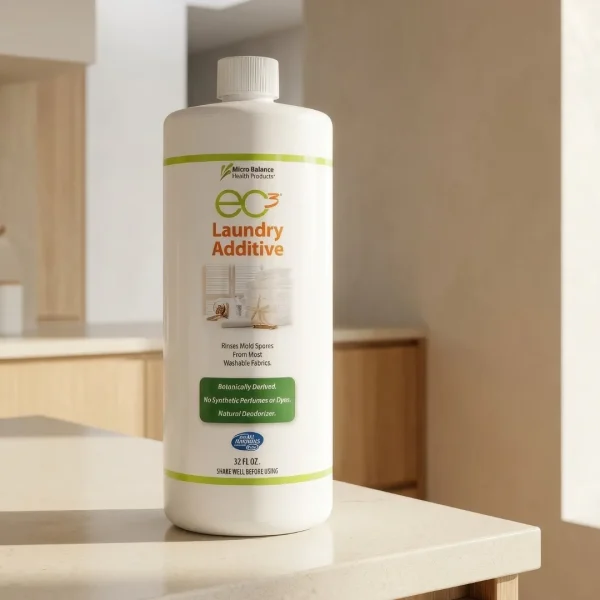
Add EC3 to every rinse cycle to rinse away mold, bacteria and musty odors from...
-
$23.00 Shop Now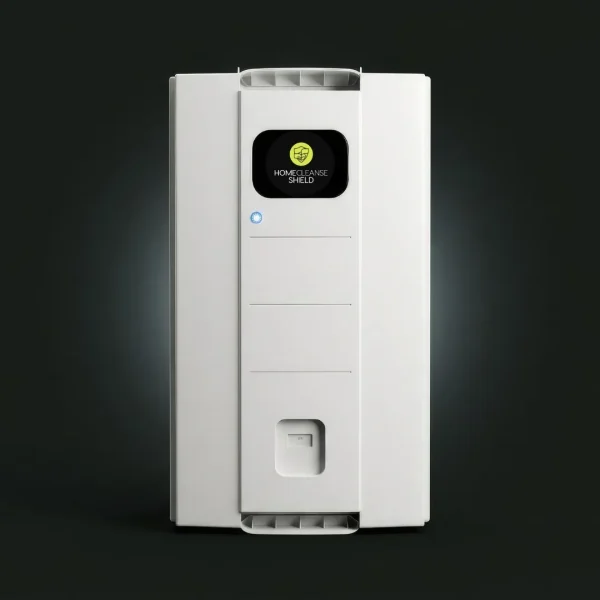
Turn your HVAC into the healthiest feature of your home.
-
$2,495.00 Shop Now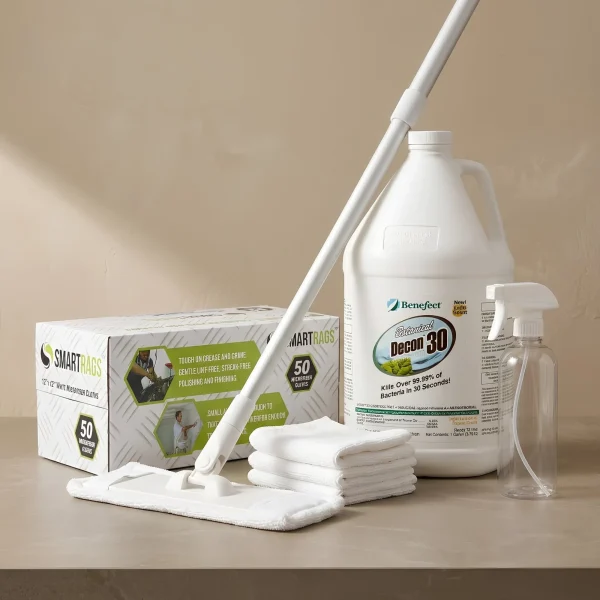
Take your cleaning to the next level buying all the tools we use to keep...
-
Price range: $299.00 through $549.00 Shop Now
Remove harmful pollutants that accumulate in the dust of your home. (Options available for renters...
-
Price range: $99.00 through $349.00 Shop Now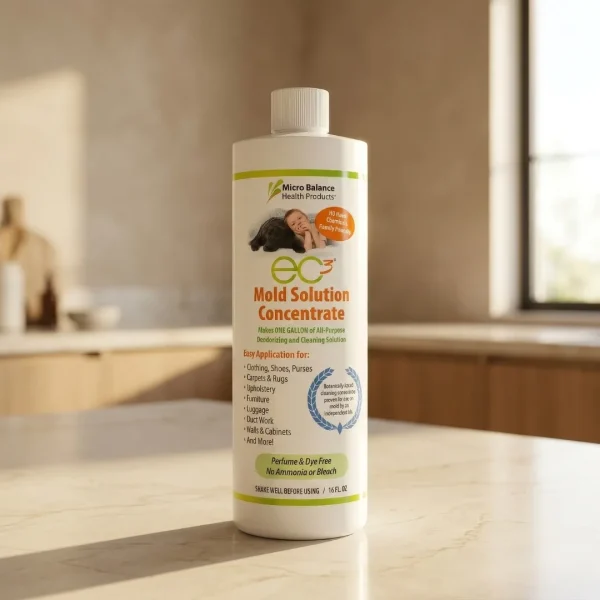
Micro Balance EC3 Mold Solution Concentrate is a natural botanical that removes mold spores, bacteria,...
-
$33.00 Shop Now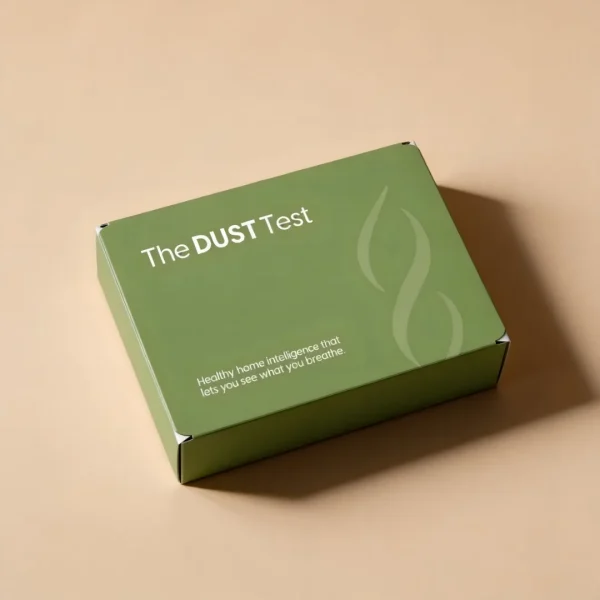
Optimizing Air Quality starts with finding what’s not optimal. *Detects 36 different species of mold...
-
$299.00 Shop Now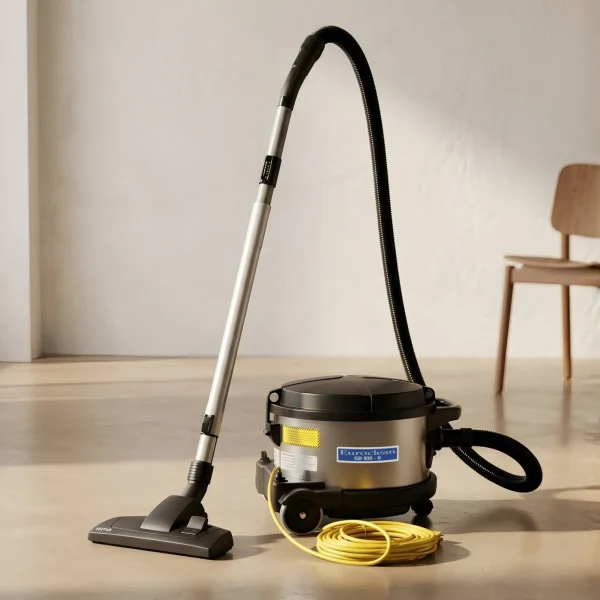
The Euroclean GD930HSP is a 4 Gallon Dry HEPA Vacuum that meets the EPA's standards...
-
$849.00 Shop Now