
Before You Go
Get Your FREE Home Cleaning Guide
Simple action items on how to make your home safer- today!

Short Answer:
Cleaning a home after mold contamination involves physically removing microscopic particles from surfaces, dust, air systems, and belongings using a detailed, multi-step process. This is best done using HEPA vacuuming, botanical cleaning solutions, and repeated cleaning cycles to reduce contamination throughout the environment.
Because mold particles can spread beyond the original source, effective cleaning focuses on the entire home, not just the area where mold was visible.

After mold remediation, many people assume the next step is to disinfect everything as aggressively as possible.
But here’s the part that often gets missed:
Mold issues are not just about killing something. They’re about removing what’s left behind.
As mold grows, it releases microscopic particles that spread through the home and settle into dust, fabrics, and surfaces. Even after the source is removed, those particles remain and continue circulating.
That’s why cleaning after mold isn’t about spraying chemicals everywhere.
It’s about lifting, capturing, and removing contamination from the environment.

This is where botanical cleaning solutions come in, and why they’re so important in post-mold environments.
Botanical cleaners, like those derived from plant-based ingredients, are designed to do two things at once:
help break down microbial contaminants
help lift particles off surfaces so they can be removed
For example, botanical products like those using thymol (derived from thyme oil) work by disrupting microbial structures while remaining safe for use in indoor environments.
Unlike harsh chemical cleaners, they:
do not leave behind toxic residues
are safe for repeated use
can be used on both porous and non-porous surfaces
support cleaning without introducing additional irritants into the home
do not release harmful chemicals into the air
And that matters, especially for individuals who have already been through environmental stress.

The goal is not perfection. It’s progressively reducing the total particle load in the home.
That means addressing:
dust across all surfaces
contamination in fabrics and belongings
particles within the HVAC system
anything that may continue to recirculate
Because we spend so much time indoors, breathing around 20,000 times a day, the environment we’re in matters more than we often realize. High levels of contamination left in a home lead to continued higher exposure.
Every cycle of post-remediation cleaning lessens this level of exposure.
The first step is always removing loose particles.
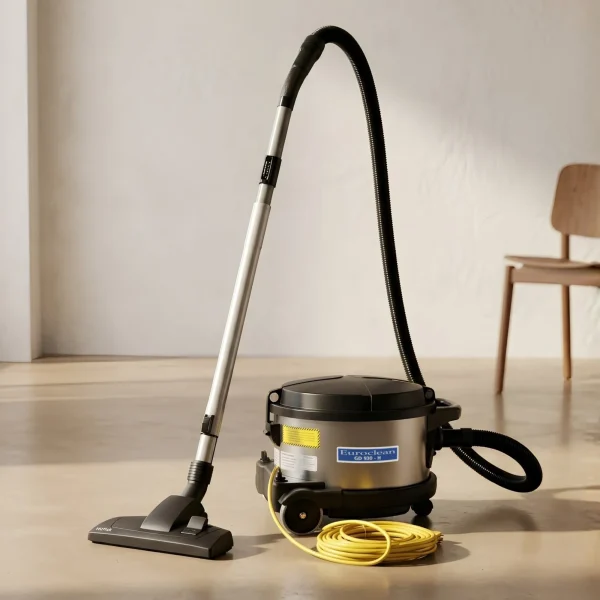
Using a closed-system HEPA vacuum ensures that microscopic particles are captured rather than redistributed into the air.
This should include:
floors, carpets, and rugs
baseboards and edges
furniture and upholstery
shelves and surfaces
vents and accessible HVAC areas
Starting dry is important because it removes bulk contamination before introducing any moisture.
Once loose particles are removed, the next step is wiping and cleaning surfaces using botanical solutions.
This is where the real reset begins.
Using slightly damp microfiber cloths (which are highly effective at trapping particles), clean surfaces methodically throughout the home.
This includes:
walls and ceilings (when applicable)
floors and baseboards
countertops and furniture
doors, trim, and high-touch areas
Botanical surfactants help lift particles off surfaces so they can actually be removed, not just spread around.
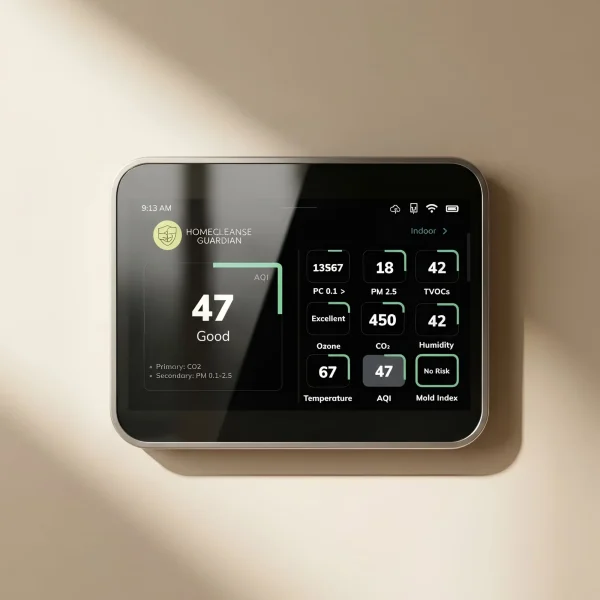
The World’s First Indoor Air Quality Security System
-
$2,499.00 Shop Now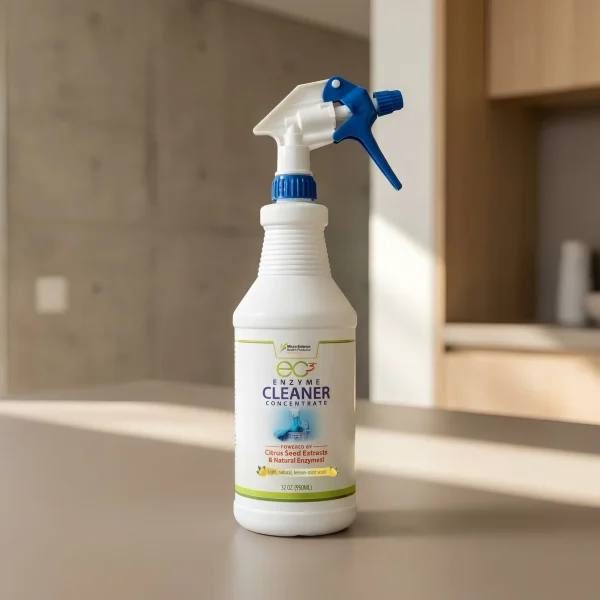
EC3 Enzyme Cleaner Concentrate is specifically blended for cleaning and stain removal. Its formula enzymatically...
-
$34.50 Shop Now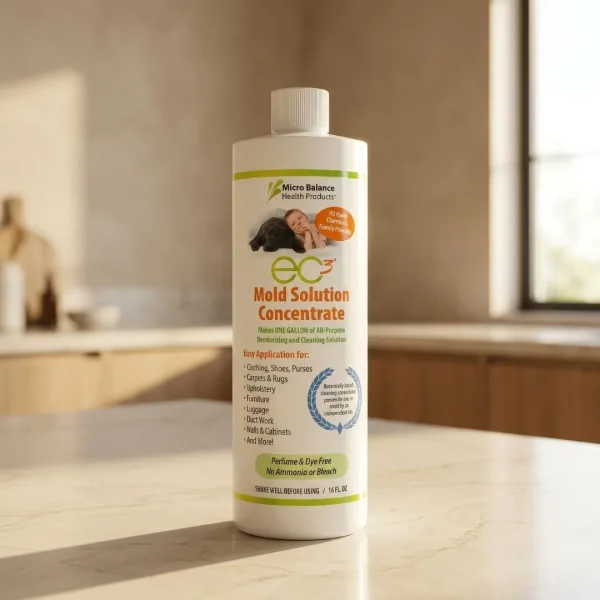
Micro Balance EC3 Mold Solution Concentrate is a natural botanical that removes mold spores, bacteria,...
-
$33.00 Shop Now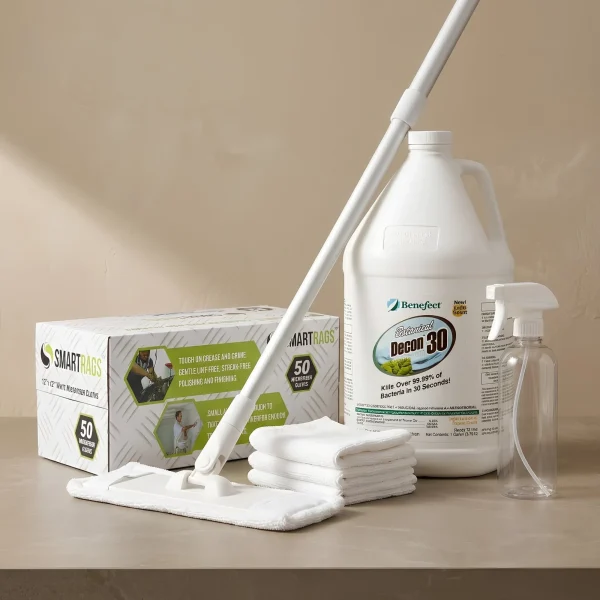
Take your cleaning to the next level buying all the tools we use to keep...
-
Price range: $299.00 through $549.00 Shop Now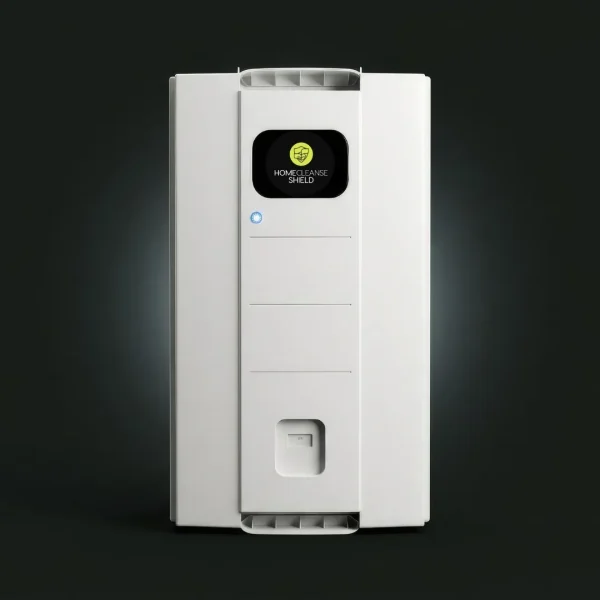
Turn your HVAC into the healthiest feature of your home.
-
$2,495.00 Shop Now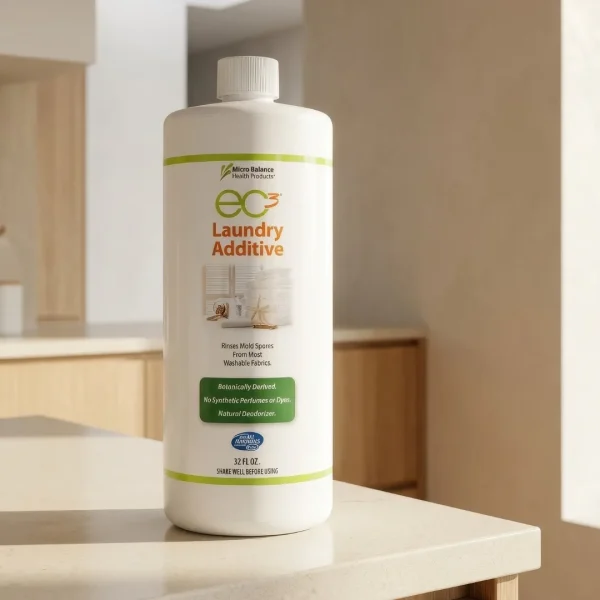
Add EC3 to every rinse cycle to rinse away mold, bacteria and musty odors from...
-
$23.00 Shop NowDust is one of the biggest overlooked factors in mold environments.
It acts like a storage system for particles over time, meaning it can continue to hold contamination even after remediation is complete.
Cleaning should go beyond visible areas and include:
vents and registers
ceiling fans and fixtures
behind furniture
closets and storage spaces
This is one of the most important steps for improving how a home feels long-term.
Mold particles don’t just stay on surfaces. They cling to everyday items.
This includes:
clothing and laundry
bedding and linens
upholstered furniture
rugs and curtains
Botanical-based laundry additives and cleaners (like those using plant extracts such as citrus seed extract) can help remove contamination from washable items without introducing harsh chemicals.
For some items, deep cleaning may be enough. For others, it may be worth evaluating whether porous items should be replaced.
The HVAC system is one of the most important pieces of the puzzle.
If particles have entered the system, they can continue to circulate even after cleaning.
Steps here may include:
replacing or upgrading filters
cleaning vents and registers
evaluating deeper HVAC cleaning options
Addressing airflow helps prevent recontamination of the home.
One of the most important things to understand is that cleaning is not a one-and-done process.
Particles settle… and then resettle.
That’s why cleaning should be done in cycles.
Each round removes more from the environment, gradually improving the overall condition of the home.
This is where people often notice the biggest difference in how their space feels.
When cleaning after mold, these are the most common pitfalls:
relying only on disinfectants instead of removal
using harsh chemicals that leave residues
skipping HEPA vacuuming
not cleaning the entire home
ignoring fabrics and belongings
assuming one round of cleaning is enough
Avoiding these can significantly improve your outcome.
After thorough cleaning, the home should feel more stable and easier to breathe in.
Air may feel lighter. Dust may accumulate more slowly. The environment may feel more consistent from room to room.
For some people, changes in how they feel happen gradually as the environment stabilizes.
It’s not about achieving perfection. It’s about creating a space that supports you again.
✔ HEPA vacuum all surfaces
✔ Use botanical cleaners to wipe surfaces
✔ Address dust throughout the entire home
✔ Clean fabrics and belongings
✔ Evaluate HVAC system
✔ Repeat cleaning cycles
Cleaning after mold contamination is not about killing everything. It’s about doing it correctly.
By focusing on removing particles, using safer botanical solutions, and approaching the home as a complete environment, it becomes much easier to create a space that feels clean, stable, and supportive again.
And if it feels like a lot, that’s okay. You don’t have to do everything at once!
Each step you take is moving your environment in the right direction.

If you’re trying to better understand what may be happening inside your home, our website is filled with resources designed to help you make informed decisions and provide you with peace of mind
A member of our team is here to help! Click on “Get Started ➤” below to book a consultation with a member of the HOMECLEANSE team. We have a few quick questions that will help us put together a roadmap to solve or prevent all of your mold problems.
Two minutes of your time could lead to better health for you and your family.