
Before You Go
Get Your FREE Home Cleaning Guide
Simple action items on how to make your home safer- today!


Mold is a natural part of the environment around us. It exists outdoors, makes its way indoors, and plays an important role in breaking down organic material.
So, finding a mold spore in your home does not automatically mean you have a mold problem.
The concern begins when mold finds the conditions it needs to grow indoors.
That’s when it becomes important to understand why it grew, where it may be growing, what that means for the surrounding environment, and what to do next.
You don’t need to become a mold expert. You just need enough information to understand what’s happening, recognize when something deserves your attention, and know where to go next.
Mold is a type of fungus.
Outdoors, mold helps break down dead organic matter such as leaves, plants, and wood. It reproduces by creating microscopic spores that can travel through the air and settle onto surfaces.
Those spores naturally make their way indoors through open doors and windows, ventilation systems, clothing, shoes, pets, and everyday movement between indoor and outdoor environments.
That’s why completely eliminating mold spores from a home isn’t realistic.
Fortunately, the presence of a mold spore is not the same thing as active mold growth.
Finding a mold spore indoors does not automatically mean mold is actively growing there.
Mold spores naturally exist in the environment and can make their way indoors. A mold problem develops when conditions allow those spores to germinate and establish active growth.
Want the Visual Version?
Watch What Is Mold? for a quick explanation of what mold is and how it behaves in an indoor environment.
Mold is a living organism. It grows.
Outdoors, mold breaks down dead organic matter and releases spores into the air.
They arrive through everyday openings and everyday movement. There is no sealing them out.
One settled spore is not a problem. An established colony is a different thing entirely.
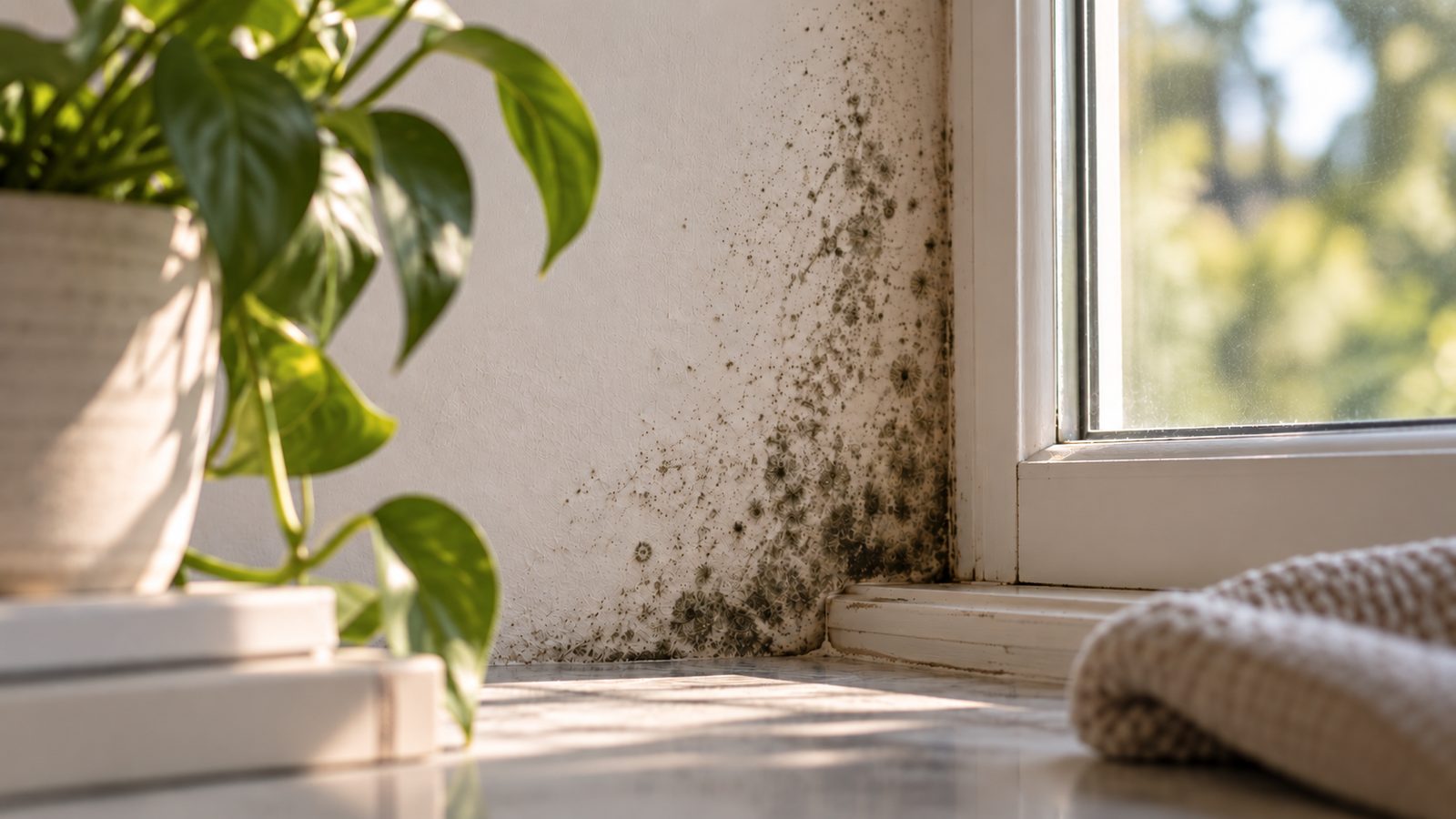
When most people imagine a mold problem, they picture what they can see: discoloration on drywall, growth around a window, or something suspicious spreading across a surface.
But the visible colony is only one part of the picture.
Mold growth can also introduce microscopic material into the surrounding environment, including spores and fungal fragments. Some molds may also produce compounds called mycotoxins under certain conditions.
And mold isn’t necessarily the only microorganism involved. Water-damaged environments can support bacteria and other forms of microbial growth as well.
What you can see can tell you something.
It just can’t always tell you everything.
Want to Go Deeper?
What a mold problem looks like when you can see it.
Separate things active growth can introduce. Not stages, and one does not turn into the next.
In a water-damaged environment, mold is not necessarily alone.
For mold to grow, it needs the right conditions: oxygen, a suitable temperature, a food source, and moisture.
Inside a home, the first three are usually easy to find. Wood, drywall, dust, insulation, paper, fabrics, and many other common materials can provide a food source.
That leaves one factor we have far more control over:
Moisture.
A roof leak, plumbing problem, elevated humidity, condensation, flooding, HVAC issue, poor drainage, or another source of excess moisture can create an environment where mold has the opportunity to grow.
That’s why mold prevention is largely a story about water.
The key to controlling mold growth is controlling moisture.
Water problems aren’t always dramatic. A slow leak behind a cabinet or recurring condensation inside a wall can matter just as much as a major water event if the moisture persists.
Want the Visual Version?
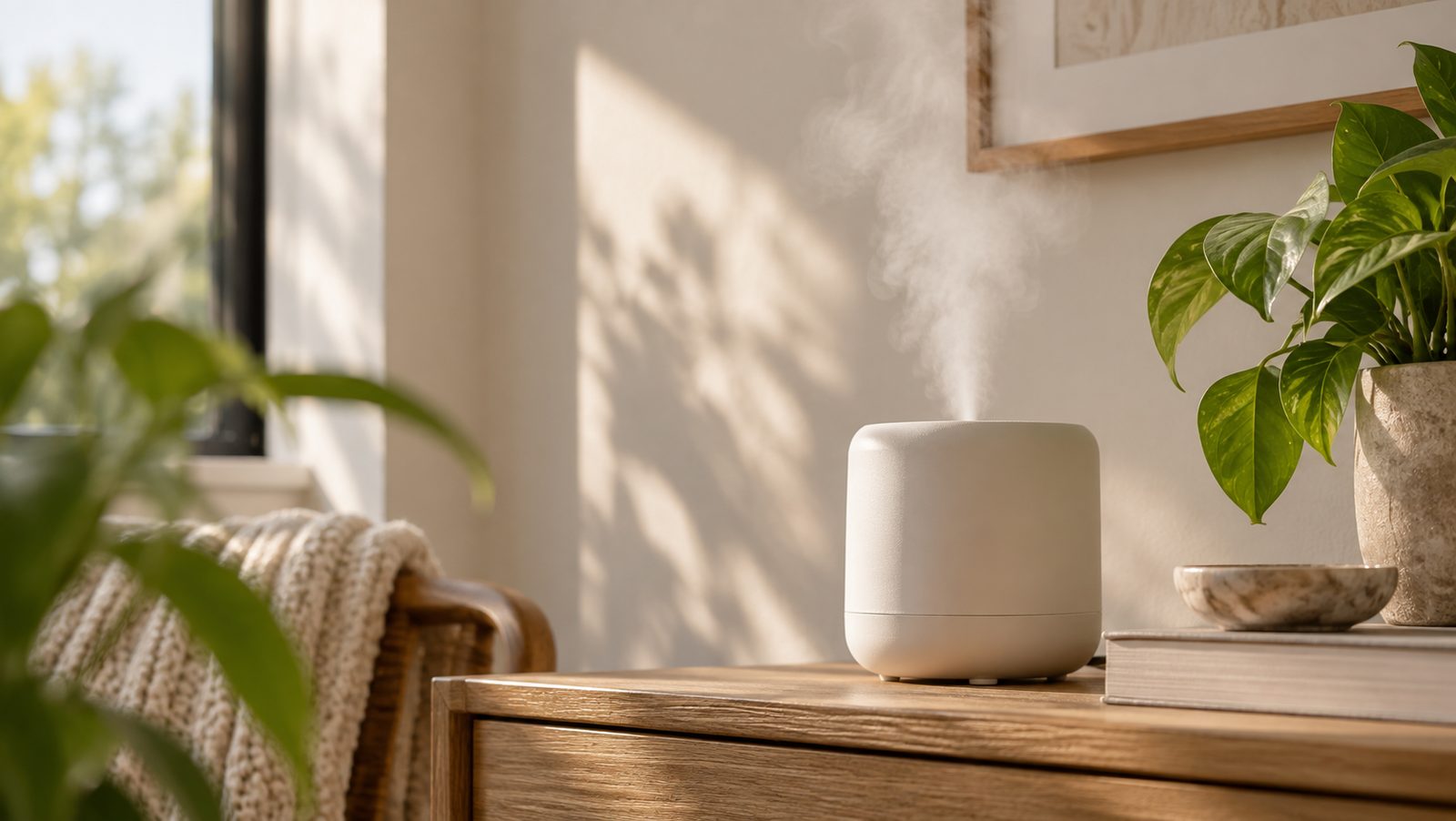
Watch How to Maintain Humidity for a Healthy Home for a look at how moisture creates the conditions mold needs.
Want to Go Deeper?
Sometimes mold is obvious.
You may see visible growth, notice a musty odor, find water staining, or discover a moisture problem.
Other times, the clues are quieter.
Mold can develop behind walls, beneath flooring, inside HVAC systems, in attics and crawlspaces, and in other areas that aren’t part of your everyday line of sight.
Instead of trying to memorize everywhere mold can grow, learn to recognize the clues that suggest an environment may deserve a closer look.
Signs to Watch For
Don’t just look for mold.
Look for the conditions that allow it to grow.
Want to Go Deeper?
Sometimes the evidence is right in front of you.
Behind walls, beneath flooring, inside systems. Outside your everyday line of sight.
Yes.
But there is no single universal response to mold exposure.
Someone who previously considered themselves healthy may develop symptoms. A person with asthma, allergies, a chronic respiratory condition, a compromised immune system, or another preexisting health concern may face different or heightened risks.
Another person in the same environment may report no noticeable symptoms at all.
How someone responds can depend on many factors, including the environment itself, the extent and duration of exposure, and individual biology.
Research has consistently associated damp or moldy indoor environments with an increased risk of respiratory symptoms and conditions, including coughing, wheezing, respiratory infections, and asthma-related effects. Mold can also trigger allergic reactions and irritation, and certain people may be at increased risk for fungal infections.
That being said, many people report a wide-range of symptoms related to their personal experience with mold exposure.
At the same time, we don’t know every possible consequence of every type, level, and duration of exposure. Research into damp buildings, microbial exposures, individual susceptibility, and the potential effects of complex or long-term exposure continues to evolve.
That uncertainty isn’t a reason to panic.
It’s a reason to take an indoor mold problem seriously when one exists.
Mold can affect anyone.
How it affects someone can be very different.
Two people. One home. The same air.
She hasn’t felt right in months.
He notices nothing.

Two people.
One home.
Two completely different experiences.
The fact that one person feels fine does not prove that an environment is healthy for everyone living in it.
And experiencing symptoms does not, by itself, prove that mold is the cause.
That’s why the environment and the individual should each be investigated on their own terms.
of our time is spent indoors.
The environments where we spend our time become part of our daily exposure picture.
Research and public-health guidance have linked damp and moldy indoor environments with respiratory symptoms, asthma development or exacerbation, coughing, wheezing, respiratory infections, allergic responses, and certain other health effects.
At the same time, researchers continue to investigate the mechanisms involved, the role of specific microbial exposures, differences in individual susceptibility, and other potential effects.
Never Been Sicker / with Michael Rubino
Hear From the Doctors
Mold and health is complex, and no single webpage can answer every question.
Hear from physicians and other experts who work with patients experiencing chronic illness, environmental exposures, and related health concerns.
 EP 84The Truth About MycotoxinsDr. Jill CristaWatch the conversation
 EP 102How to Detox From Mold SafelyDr. Terri FoxWatch the conversation
 EP 143Why You Keep Hitting a Wall in Mold RecoveryBrianne QuinnWatch the conversation
 EP 87From Misdiagnosis to Medical InnovationDr. Christina RahmWatch the conversation
Finding out whether you have a mold problem means looking at the whole picture, not relying on one smell, symptom, or test.
Look for the Signs.
Visible growth, musty odors, water damage, recurring moisture, elevated humidity, or other environmental clues can all provide a reason to investigate further.
Test the Home.
Environmental testing can provide information about what’s present in the home, including contamination you may not be able to see.
If Health Is Part of the Picture, Investigate the Body.
If you’re experiencing symptoms or have health concerns, talk with a qualified healthcare provider. They can evaluate your health history, symptoms, risk factors, and whether additional testing is appropriate.
Look at the Information Together.
The home tells you about the environment.
Your healthcare provider helps you understand what’s happening in your body.
When those pieces begin pointing in the same direction, you have more information to help determine what should happen next.
Bring in a Qualified Mold Inspector.
If testing or other evidence suggests there may be an indoor mold problem, a thorough inspection can help answer the questions a test alone cannot:
The goal isn’t just to prove mold exists.
It’s to understand the problem well enough to solve it.
Want to Go Deeper?
Five pieces of information, gathered in order.
Start with what the environment is already telling you.
Testing adds what you cannot observe.
The body is investigated on its own terms.
The two pictures are read together.
An inspection answers what a test alone cannot.

The Dust Test
Analyzes settled dust for DNA from 36 mold species, helping provide another piece of information about the home’s environment.
Explore The Dust Test →Finding mold doesn’t automatically tell you how to fix it.
The right approach depends on where the mold is, what caused it, how extensive the problem is, and what materials or areas have been affected.
Remove the source.
Address the contamination.
Correct the conditions that allowed it to grow.
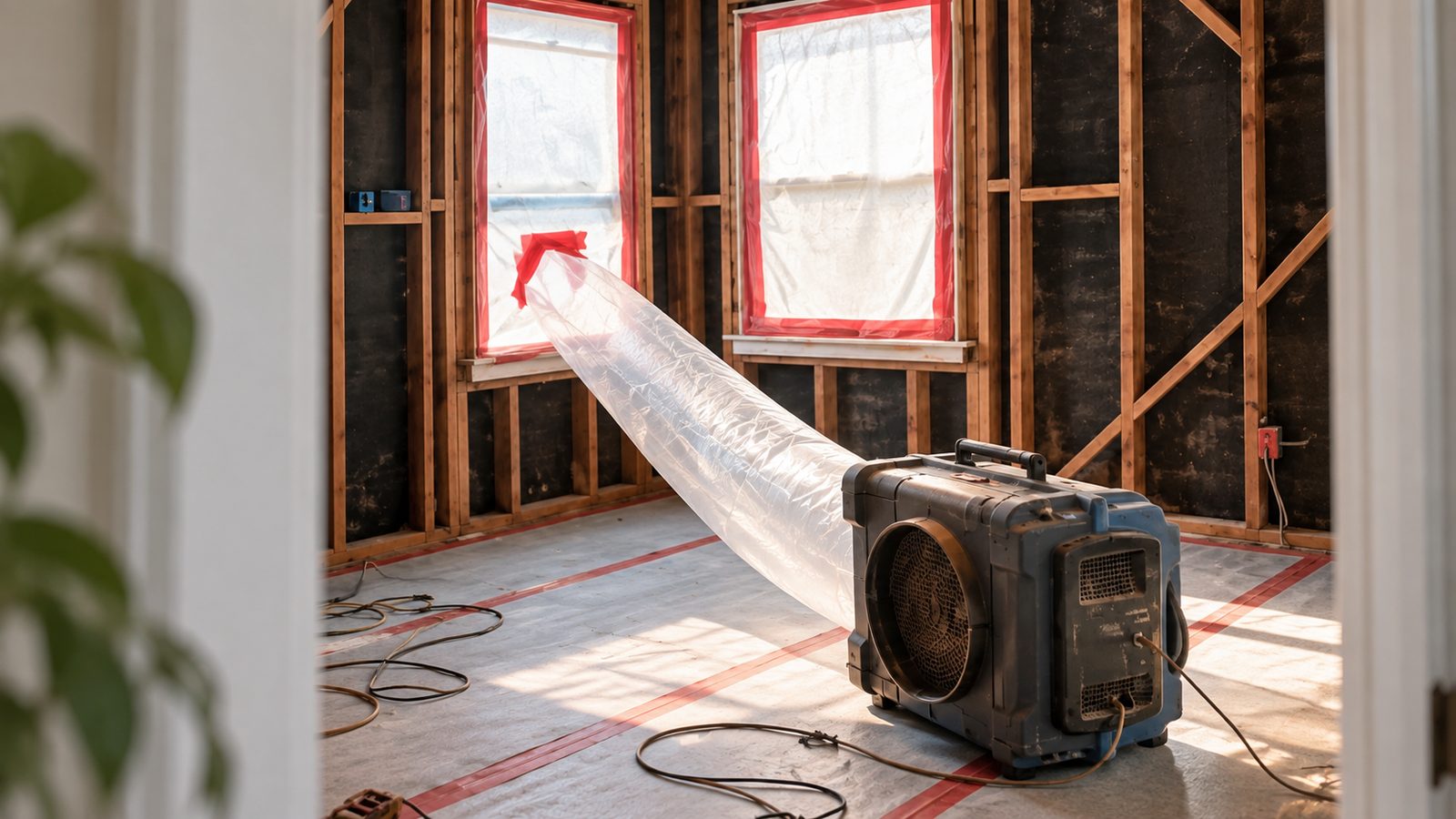
Engineering Controls
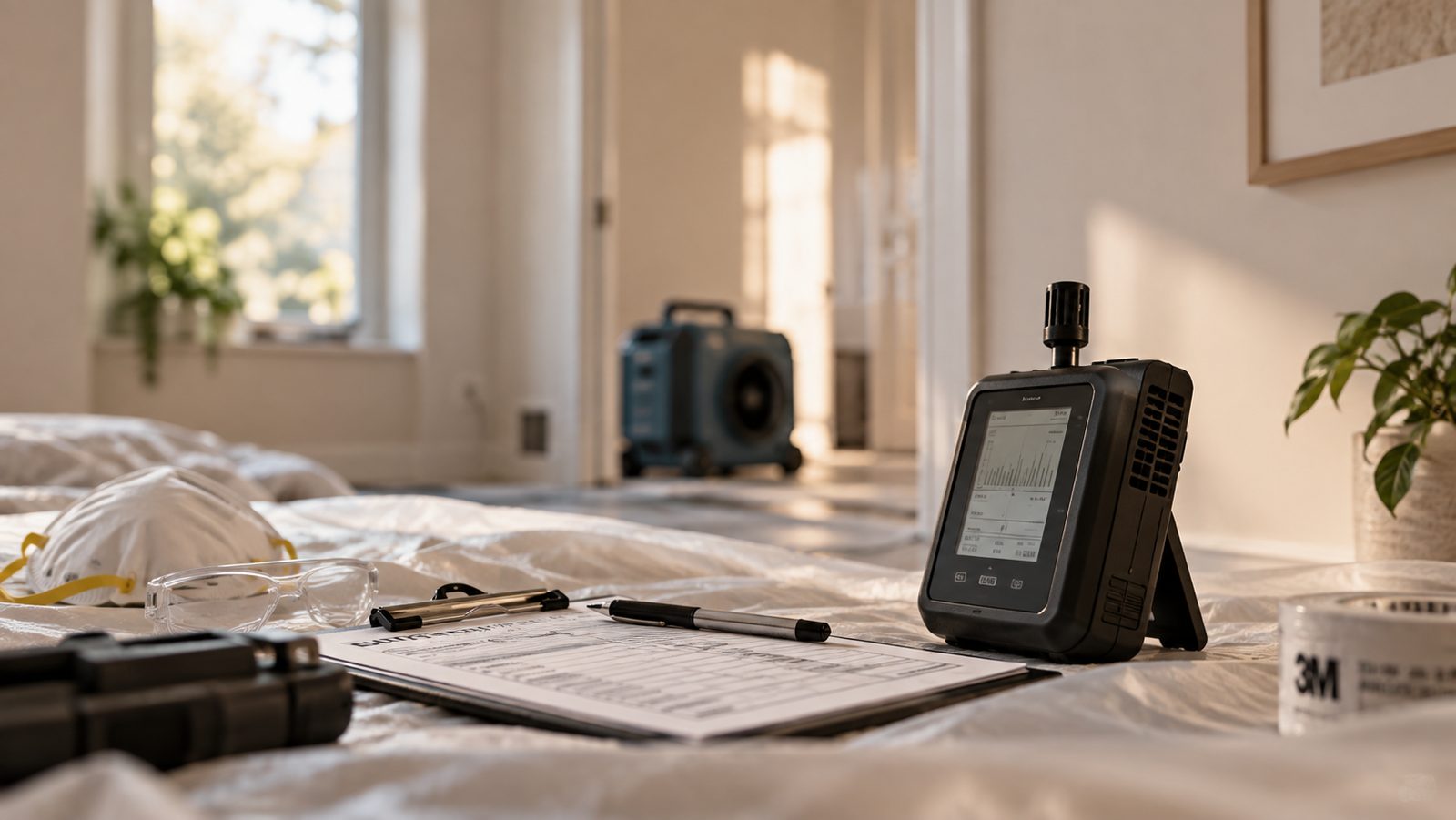
Before contaminated materials are disturbed, the work area may need to be isolated from unaffected areas of the building.
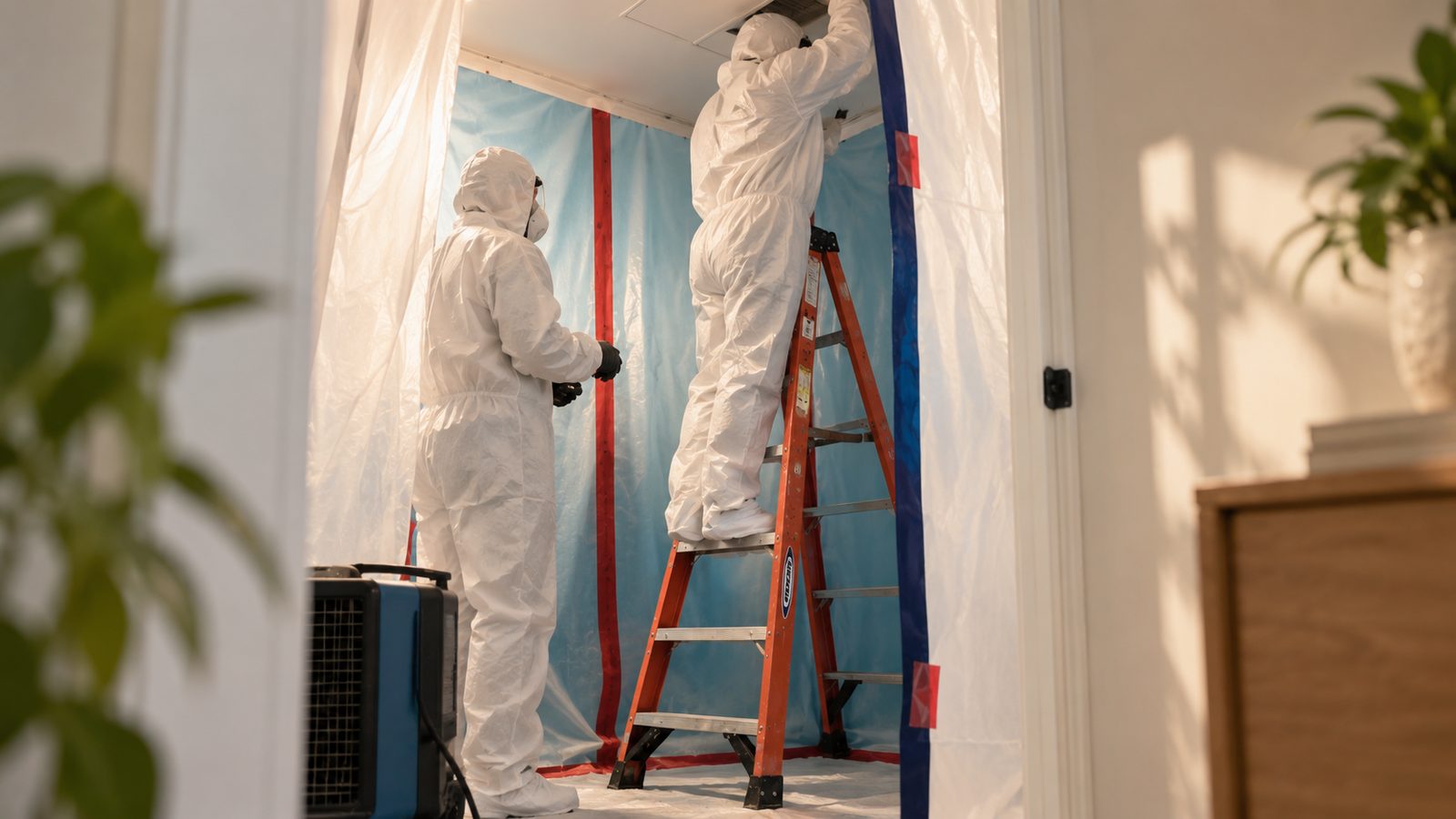
Remediation
Depending on the scope, affected materials may need to be removed or cleaned using appropriate remediation methods.
Cleaning + Post-Testing
Fine particles and contamination can remain after affected materials are removed, making detailed cleaning and verification important parts of a thorough remediation plan.
Mold Removal vs. Mold Remediation
Removing visible mold is not necessarily the same thing as addressing the conditions and contamination associated with a mold problem.
What happens next depends on where it is, what caused it, and how far it reaches.
One takes the growth out. The other takes out what caused it and what it left behind.
By this point, you’ve probably encountered some very confident mold advice on the internet.
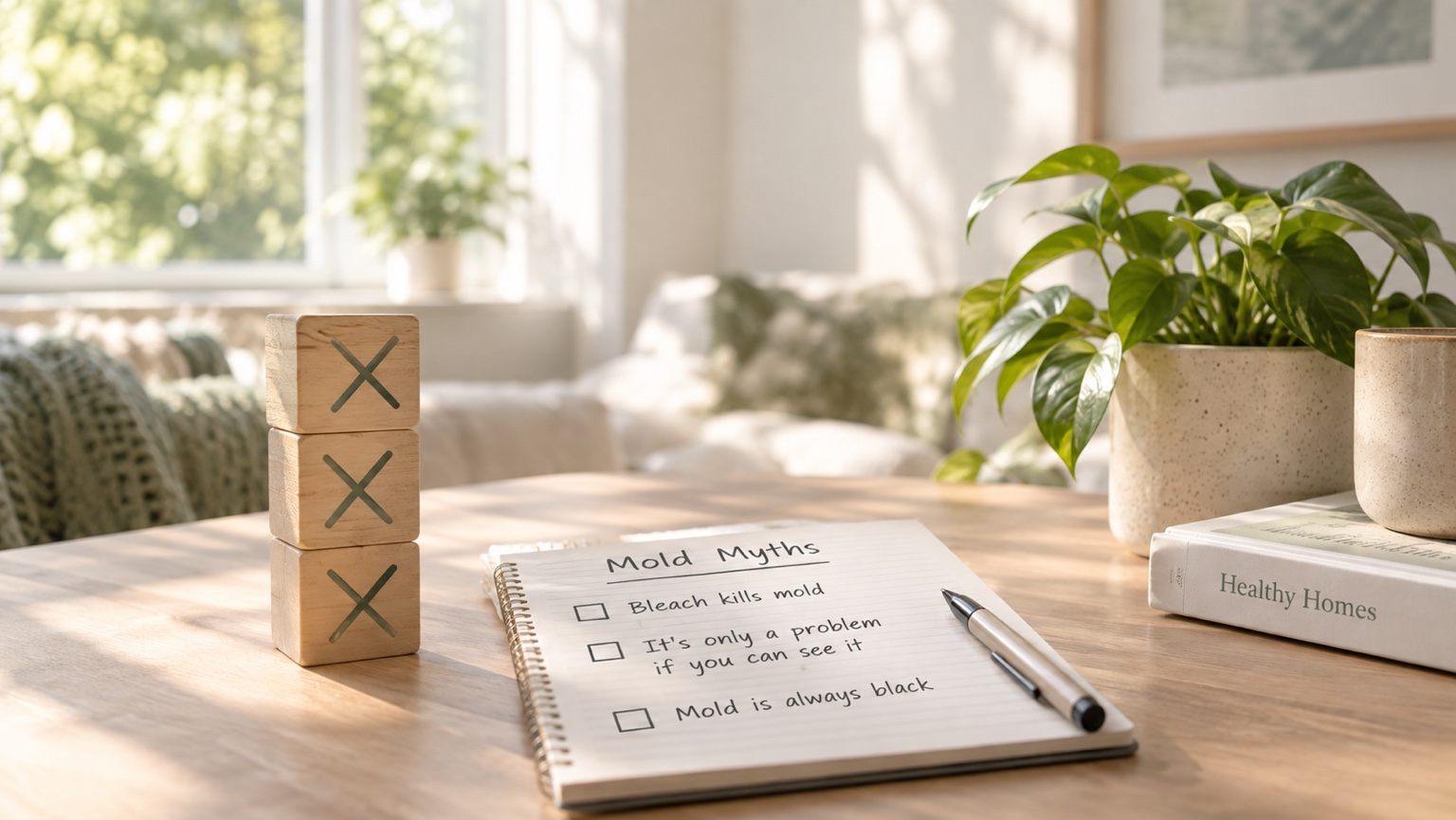
Let’s clear up a few of the big myths.
Can I Just Use Bleach?
Bleach isn’t a universal solution for mold, particularly when growth involves porous building materials or a larger underlying problem.
Mold takes a long time to grow.
Mold can grow in as little as 24-48 hours if there’s a source of moisture. That’s fast! All moisture-related opportunities should be taken care of as quickly as possible to avoid that fungus among us moving into a home.
Can I Paint Over Mold?
Paint can hide discoloration. It doesn’t correct the moisture problem or remediate the affected material underneath it.
Can I Just Fog the House?
Fogging isn’t a substitute for finding the source of mold growth, correcting the moisture problem, removing materials when necessary, and thoroughly cleaning the affected environment.
Want the Visual Version?
Watch Debunking 3 Common Mold Myths for a quick run through the advice that keeps going around.
Four shortcuts, and why each one stops short.
A surface wipe kills what it touches. The growth is rooted deeper than that.
Two days is not a long time to leave water sitting.
The room side looks new. The back of the same board does not.
Fog reaches the air. It does not reach the cause.
You Know the Basics.
Where Do You Go From Here?
You don’t need to learn everything about mold. You just need to know what matters for your situation.
I Think My Health May Be Involved
Learn more about mold, indoor environmental quality, health, and the questions you may want to discuss with your healthcare provider.
Explore Health + Home
I Want to Investigate My Home
Learn about mold testing, professional inspections, what different approaches can tell you, and where their limitations are.
Explore Testing + Inspection
I Found Mold. Now What?
Understand what a thorough remediation process should accomplish and what to consider when deciding how to address the problem.
Explore Mold Remediation
I Rent
Learn how to document a problem, investigate your environment, and understand the options available when the home isn’t yours.
Explore Renter Resources
I Want to Prevent Mold
Learn how moisture control, cleaning, filtration, maintenance, and awareness can help create an indoor environment that’s less hospitable to mold growth.
Explore Mold Prevention
I’d Rather Watch
Go deeper with The Missing Variable, our free nine-part video course on mold and the indoor environment.
Start Watching
Testing a home, preventing mold, cleaning an indoor environment, and remediating an active mold problem are different jobs.
The right tool depends on what you’re trying to accomplish.
The Dust Test
Analyze settled dust for DNA from 36 mold species to get a closer look at your home’s mold profile.
Explore The Dust Test
The Mold Method
Michael Rubino’s practical guide to understanding mold, investigating your home, navigating remediation, and preventing future problems.
Explore The Mold Method
Recommended Products
Explore tools we use and recommend for cleaning, filtration, moisture management, and maintaining the indoor environment.
Explore Recommended Products

Why Trust HomeCleanse?
We’ve spent more than a decade focused on one goal: Successful Mold Remediation.
Our work inside mold- and water-damaged buildings has shaped how we approach remediation, education, and the indoor environment.
Because the goal isn’t to make people afraid of their homes.
It’s to give them better information about them.
Never Been SickerConversations with physicians, researchers, practitioners, and experts exploring the connection between our environments and our health.


You Don’t Have to Become a Mold Expert.
You just need enough information to recognize when something deserves your attention, understand the questions worth asking, and know where to turn next.
You don’t have to figure anything out alone.
Schedule a free consultation with a HomeCleanse Team Member and we’ll go over your unique situation and questions. Together, we’ll find the path that works for you.
Schedule a Free Consultation →Public-health agencies, building-science bodies, and peer-reviewed reviews of the evidence.
Call or text 24/7 and a HomeCleanse guide will point you in the right direction.
727-263-4177