
Mold Resources
If you’ve been researching mold remediation, you’ve probably seen or heard of strong opinions about antimicrobials.
You have some experts who say chemicals should never be used during mold cleanup. Meanwhile, others recommend fogging disinfectants throughout the home as a primary solution.
For individuals trying to make the safest decision for their family, this conflicting advice can be frustrating. Which is the correct ideology?
The truth is that both extremes oversimplify how modern mold remediation works.
Today’s remediation science recognizes that restoring a healthy indoor environment typically involves multiple layers of cleaning, each serving a different purpose. Physical removal of contamination is the foundation, but responsible disinfectants can sometimes play a valuable supporting role in reducing microbial contamination present on a surface and in the home.
Understanding how these tools work together can help you make more informed decisions when choosing a remediation contractor.
When dealing with a situation like mold in the home, peace of mind during such a stressful event is incredibly important. And it’s achievable!
With that in mind, let’s dive into antimicrobial use.
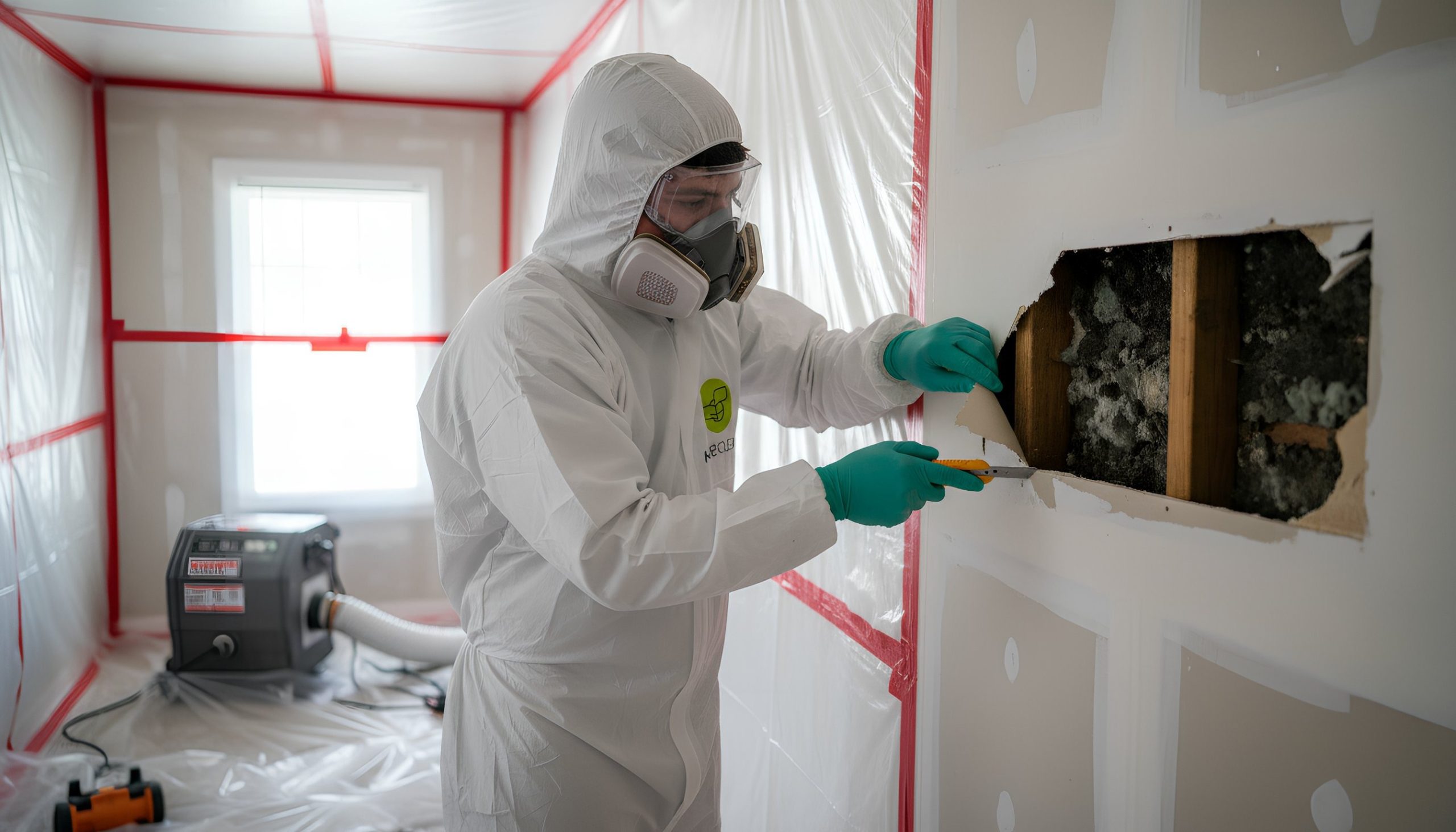
First Up, Mold Must Be Physically Removed
The most important principle in professional mold remediation is simple:
Mold contamination must be physically removed.
Not fogged over. Not sprayed over and left behind. Removed.
Organizations such as the Institute of Inspection, Cleaning and Restoration Certification (IICRC) publish guidance for remediation through the ANSI/IICRC S520 Standard for Professional Mold Remediation. This standard emphasizes that mold should not simply be “killed” with chemicals and left behind.
This not only allows exposure to continue, but also fails on multiple accounts of restoring the home to a healthy state.
Instead, proper remediation focuses on removing contamination from the indoor environment.
This may involve:
removing contaminated building materials when necessary
HEPA vacuuming affected surfaces
mechanical cleaning, such as sanding or abrasion
detailed cleaning of the surrounding areas
These steps physically remove mold spores, fragments, and contaminated dust.
For example, when mold contamination develops on porous materials such as drywall or wood framing, spraying a disinfectant onto the surface will not remove contamination embedded within the pores of the material. Mechanical removal and thorough cleaning are required before any disinfectant can be effective.
At HomeCleanse, this principle forms the foundation of our remediation protocol.
Why Cleaning Alone May Not Always Be Enough
Even after thorough cleaning, microscopic organisms can sometimes remain on surfaces.
These may include:
mold spores
mold fragments
bacteria
biofilms
residual microbial contamination
Microorganisms like mold and bacteria are incredibly resilient. Even when a surface appears clean, life can persist within tiny surface irregularities or within biofilms that protect microbial colonies.
Because of this, many professional remediation protocols include a supplemental disinfection step after cleaning, such as the use of antimicrobials.
The purpose is not to replace removal.
Instead, disinfectants are sometimes used to help reduce the remaining microbial load after the primary cleaning process has already been completed.
Are Antimicrobials Necessary for Mold Remediation?
Antimicrobials are not a substitute for proper mold remediation.
The foundation of remediation is always the physical removal of contamination.
However, when used appropriately after cleaning, disinfectants may help reduce remaining microbial contamination and support a more thorough remediation process.
In other words, disinfectants are not the main solution. They are simply one tool that may be used after the primary cleaning work has already been completed.
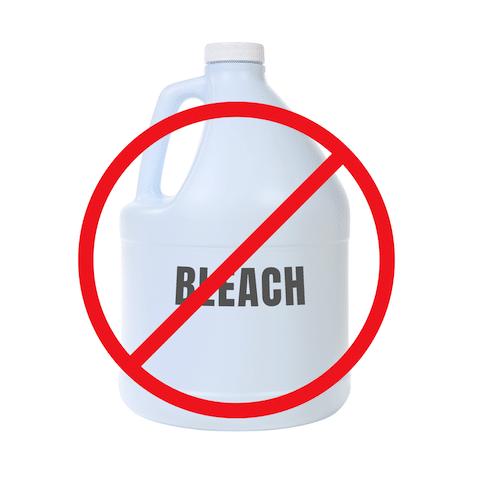
Old-School Chemicals vs Modern Botanical Disinfectants
Most of the criticism of antimicrobials stems from earlier remediation practices.
Historically, some contractors relied on harsh chemicals such as bleach or quaternary ammonium compounds. In some cases, these chemicals were used as shortcuts instead of performing proper cleaning and removal.
Spraying these chemicals onto contaminated surfaces without removing the contamination first is ineffective and understandably led to skepticism within parts of the industry. Not to mention, they add further contamination to the environment by introducing harmful chemicals and VOCs.
Today, however, many remediation professionals use modern botanical disinfectants. Made of natural ingredients, these offer a safer alternative for decontamination.
One example commonly used in remediation is Benefect Decon 30, a plant-based disinfectant whose active ingredient is thymol, a compound derived from thyme oil.
Decon 30 is:
EPA-registered as a broad-spectrum disinfectant
effective against bacteria, fungi, and viruses
used in healthcare, restoration, and sanitation environments
derived from botanical ingredients
This makes it very different from the harsh chemical products historically associated with mold remediation.
Why Many Remediation Professionals Choose Botanical Disinfectants
In environments where indoor air quality and occupant sensitivity are important considerations, some remediation professionals prefer botanical disinfectants.
Products like Benefect Decon 30 are often selected because they:
use plant-derived active ingredients
do not further degrade the indoor environment
can be used in sensitive environments such as healthcare facilities
While every remediation project is different, botanical products can provide an additional layer of microbial control without relying on harsher industrial chemicals.
Soap and Water vs Professional Disinfectants
Soap and water are excellent cleaning tools.
Detergents work by breaking surface tension, allowing dirt and particles to be lifted away so they can be wiped or rinsed off.
However, detergents are primarily designed for removing debris, not for disinfecting and eliminating microorganisms.
EPA-registered disinfectants like Benefect Decon 30 are specifically formulated to:
disrupt microbial cell membranes
penetrate protective biofilms
deactivate bacteria and fungi
reduce microbial survival after cleaning
What remains can then be wiped away so that it is no longer present within the indoor space. This is why disinfectants are widely used in environments where microbial control is important, including healthcare facilities, laboratories, and food preparation environments.

Cleaning vs Disinfection: Understanding the Difference
Because each step addresses a different aspect of contamination, professional remediation typically uses multiple cleaning stages rather than relying on a single method.
Process | What it Does | Purpose |
|---|---|---|
HEPA Vacuuming | Removes fine particulate contamination | Removes spores and fragments |
Mechanical Removal | Sanding, abrasion, demolition | Removes contaminated materials from a surface |
Detergent Cleaning | Loosens and removes debris | Removes remaining particles |
Disinfection | Reduces microbial survival | Helps prevent microbial persistence |
Together, these steps help create a more comprehensive remediation process.
Why Some Professionals Oppose Antimicrobials
Some remediation professionals strongly oppose antimicrobial products.
In many cases, this perspective developed because of past industry practices where chemicals were applied without proper removal of contamination.
Others raise concerns about chemical sensitivities or prefer remediation approaches that minimize chemical use whenever possible.
These concerns are understandable.
However, modern remediation protocols have evolved significantly. Responsible contractors do not rely on chemicals as shortcuts. Instead, disinfectants are typically used only after thorough removal and cleaning have been completed.
Red Flags Homeowners Should Watch For
If a remediation company relies primarily on spraying harsh chemicals, fogging disinfectants throughout the home, or claiming that mold can simply be “killed,” that approach is probably incomplete.
Effective remediation should prioritize:
identifying and correcting moisture sources
physically removing contamination
thoroughly cleaning affected materials
addressing the surrounding environment
Disinfectants should only be used as a supporting step after proper cleaning has occurred, not as a replacement for removal.
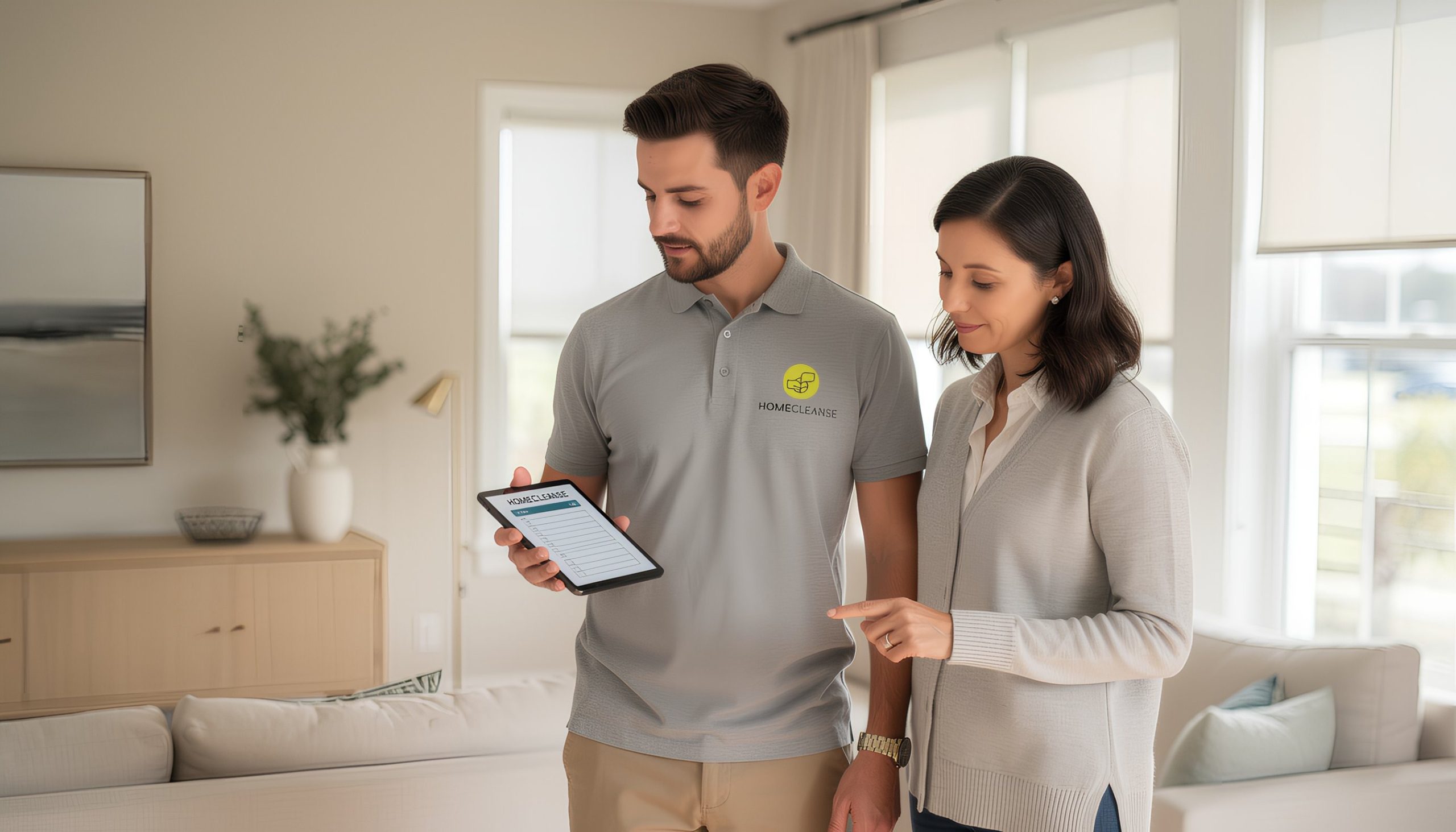
The HomeCleanse Approach
At HomeCleanse, remediation is approached as a layered and sequential environmental restoration process designed to address contamination from multiple angles.
Our protocol typically includes:
identifying the moisture source and ensuring it’s corrected
establishing containment and negative pressure
removing contaminated materials when necessary
HEPA vacuuming affected surfaces
mechanical cleaning and abrasion
detailed cleaning of surrounding areas
application of a botanical disinfectant such as Benefect Decon 30
post-remediation verification testing
At HomeCleanse, antimicrobial products are used only after extensive cleaning has been completed as part of our multi-stage remediation protocol.
This layered process helps ensure that both visible contamination and microscopic microbial residues are addressed.
The Goal: Restoring a Healthier Indoor Environment
Ultimately, mold remediation is about restoring a healthier indoor environment.
That requires more than just one technique.
Hence, why successful remediation typically combines:
source control
physical removal
detailed cleaning
responsible disinfection
When used properly as part of a comprehensive remediation protocol, modern botanical disinfectants are not shortcuts.
They are simply one tool among many that help complete the remediation process.

Final Thoughts for Homeowners
Mold remediation can feel overwhelming, especially when different professionals offer conflicting recommendations, such as using antimicrobials.
Understanding how each step of the process works can help you ask better questions and choose a remediation approach that prioritizes both thorough cleaning and long-term environmental stability.
If you are evaluating remediation companies, one of the most important questions to ask is:
Do they prioritize physical removal of contamination?
If the answer is yes, and disinfectants are used only as a supplemental step after cleaning, that approach generally aligns with modern remediation science.
The goal is not to rely on chemicals.
The goal is to restore and help maintain a safer indoor environment using the appropriate tools.
Interested in Learning More?
If you’re trying to better understand what may be happening inside your home, our website is filled with resources designed to help you make informed decisions and provide you with peace of mind.
Still Have Questions?
A member of our team is here to help! Click on “Get Started ➤” below to book a consultation with a member of the HOMECLEANSE team. We have a few quick questions that will help us put together a roadmap to solve or prevent all of your mold problems.
Two minutes of your time could lead to better health for you and your family.